Air Guns in Focus: Which Type Best Fits Your Shooting Style?

Air Guns in Focus: Which Type Best Fits Your Shooting Style?
Air guns have come a long way from being simple backyard plinkers. Today, they’re used for everything from target practice and competition to small game hunting and skill training. But with so many models, calibers, and power systems available, choosing the right one can be tricky. Here’s a guide to the main types of air guns and what to consider before you buy.
Understanding the Three Main Types of Air Guns
Air guns generally fall into three categories: spring-powered, CO₂-powered, and PCP (Pre-Charged Pneumatic). Each has its own strengths and trade-offs depending on how and where you shoot.
-
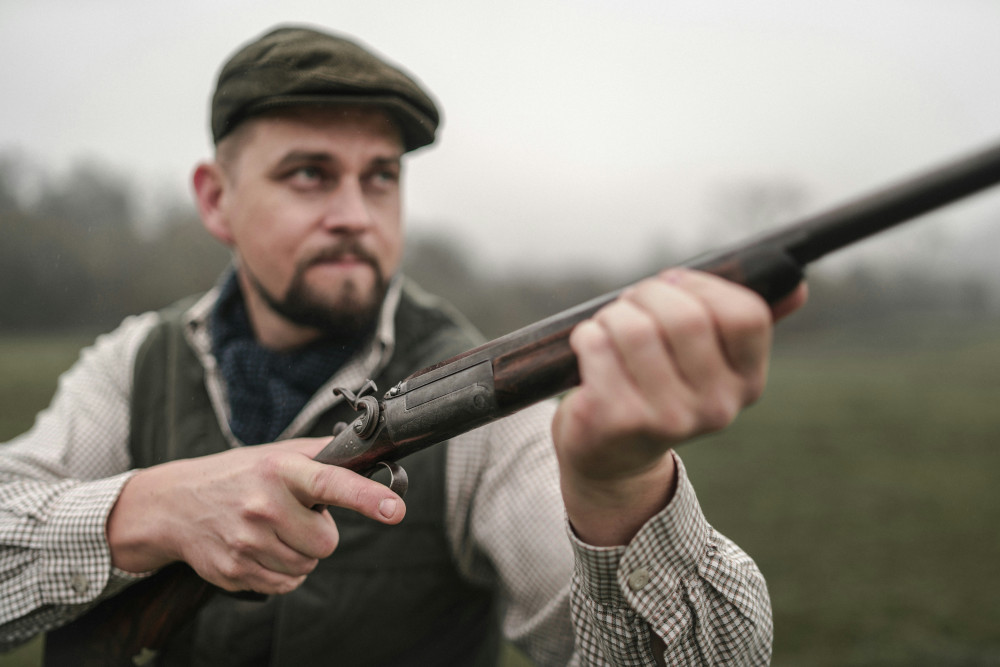
Spring-powered air guns – the classic design, where a spring and piston are cocked by breaking the barrel or pulling a lever. When you pull the trigger, the spring releases, propelling the pellet forward. These guns are durable, require no external gas or pump, and are great for beginners. The downside is that recoil and vibration can affect accuracy, especially at longer ranges.
-
CO₂-powered air guns – use small gas cartridges that provide smooth, consistent shots. They’re popular for plinking (casual target shooting) and rapid-fire fun since you don’t have to cock the gun between shots. However, they’re sensitive to temperature changes, and the cartridges need to be replaced regularly.
-
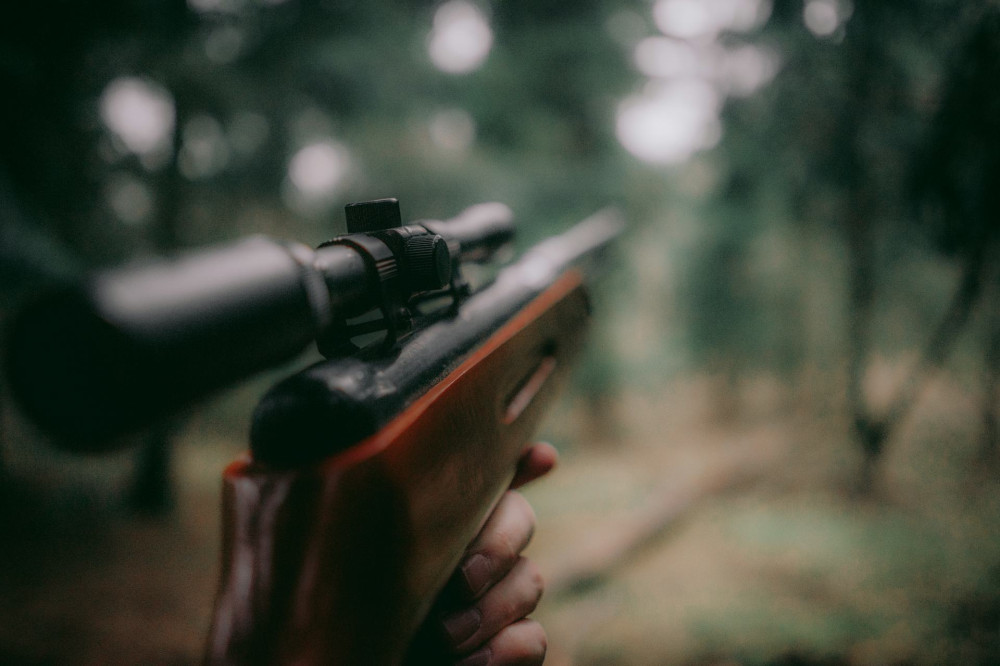
PCP air guns – the most advanced type, powered by compressed air stored in a tank that’s filled via a hand pump or scuba tank. They offer exceptional accuracy, minimal recoil, and many shots per fill. PCP guns are favored by competitive shooters and serious enthusiasts. The trade-off is cost and the need for extra filling equipment.
Which Type Fits Your Shooting Style?
Your choice depends on how you plan to use your air gun. Here are some common shooter profiles:
-
The Beginner – a spring-powered rifle in .177 caliber is a solid start. It’s affordable, reliable, and easy to maintain. Perfect for learning the basics of marksmanship and safety.
-
The Backyard Plinker – a CO₂ gun can be the most fun option, especially for short-range shooting and quick follow-up shots. Many models come as pistols, making them light and easy to handle.
-
The Precision Shooter – PCP is the way to go if accuracy and consistency are your top priorities. High-end models can shoot dime-sized groups at 25 yards and are used in international competitions. They deliver a shooting experience close to that of a firearm.
-
The Hunter or Trainer – PCP rifles in .22 caliber or larger provide realistic power and feel, ideal for small game hunting or practicing trigger control without heading to a firearm range.
Caliber and Pellet Types – Small Details, Big Difference
The most common calibers are .177 (4.5 mm) and .22 (5.5 mm). The smaller caliber offers higher velocity and a flatter trajectory, making it ideal for target shooting. The larger caliber delivers more impact energy, better suited for pest control or reactive targets.
Pellets come in various shapes – flat, pointed, or round. Flat-head pellets punch clean holes in paper targets, while pointed and round types are better for plinking or hunting practice.
Safety and Legal Considerations
In the United States, air gun laws vary by state and even by city. In most places, adults can purchase and use air guns without a firearm license, but local restrictions may apply—especially regarding power limits, hunting use, or discharge within city limits. Always check your local regulations before buying or shooting.
Safety should always come first. Use proper backstops to prevent ricochets, wear eye protection, and never point an air gun at anything you don’t intend to shoot. Treat it with the same respect as a firearm.
Læs også:

Maintenance and Longevity
A well-maintained air gun can last for decades. Clean the barrel periodically, lightly oil moving parts, and store it in a dry place. Remove CO₂ cartridges after use to protect seals, and check PCP tanks regularly for pressure and leaks.
Finding Your Perfect Match
The best way to choose is to try different types before you buy. Many shooting ranges and retailers offer demo sessions so you can feel the difference between spring, CO₂, and PCP systems. Think about what motivates you most—precision, fun, or technical challenge—and choose accordingly.
An air gun isn’t just a piece of equipment; it’s a tool for focus, patience, and enjoyment. Whether you shoot for recreation, training, or competition, there’s an air gun out there that perfectly matches your style.
Læs også: