Comfort and Performance: Why Fit and Adjustment Matter

Comfort and Performance: Why Fit and Adjustment Matter
Whether you’re running, cycling, working at a desk, or simply taking a walk, the fit of your gear and clothing plays a much bigger role than most people realize. The right fit isn’t just about comfort—it affects your performance, posture, and even your risk of injury. Small adjustments can make a big difference, both in daily life and during exercise.
Why Fit Matters More Than You Think
When something fits well, you hardly notice it. But when it doesn’t, it quickly becomes all you can think about. Shoes that pinch, a bike saddle that’s too low, or an office chair that doesn’t support your lower back—all of these can lead to discomfort, tension, and even overuse injuries.
Your body performs best when it can move freely and naturally. A proper fit ensures that your muscles and joints work in their optimal positions and that pressure is distributed evenly. That means less fatigue and better performance—whether you’re an athlete, a commuter, or someone who spends long hours at a computer.
Adjustment: The Overlooked Key to Comfort
Even the best equipment can feel wrong if it’s not adjusted correctly. Many people forget that small changes in height, angle, or tension can have a major impact.
- Bicycles: A saddle that’s just a few millimeters too low can cause knee pain. Handlebars that are too far forward can strain your neck and shoulders.
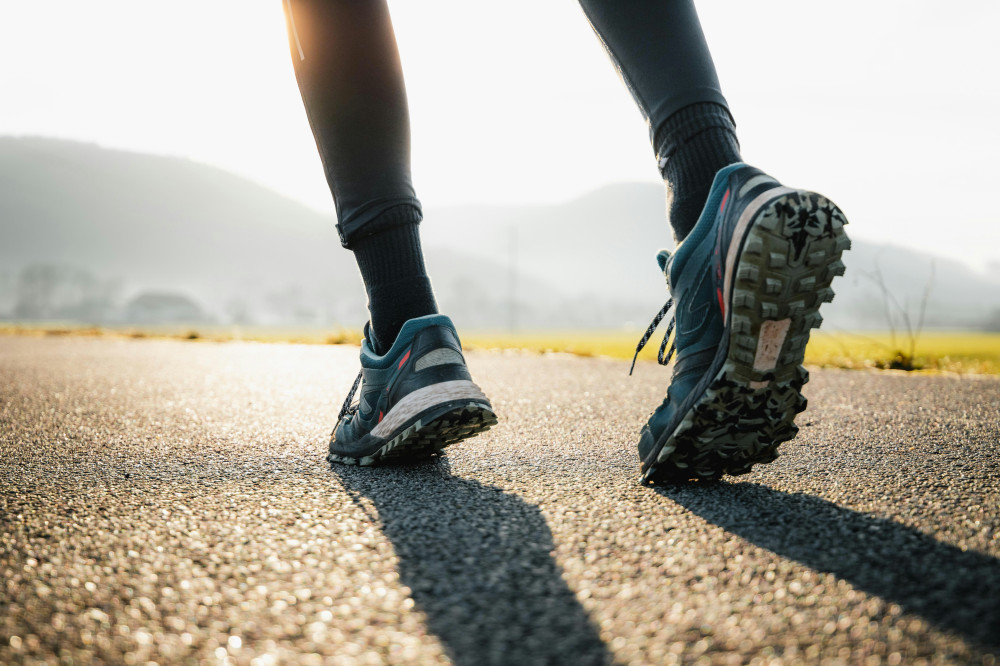
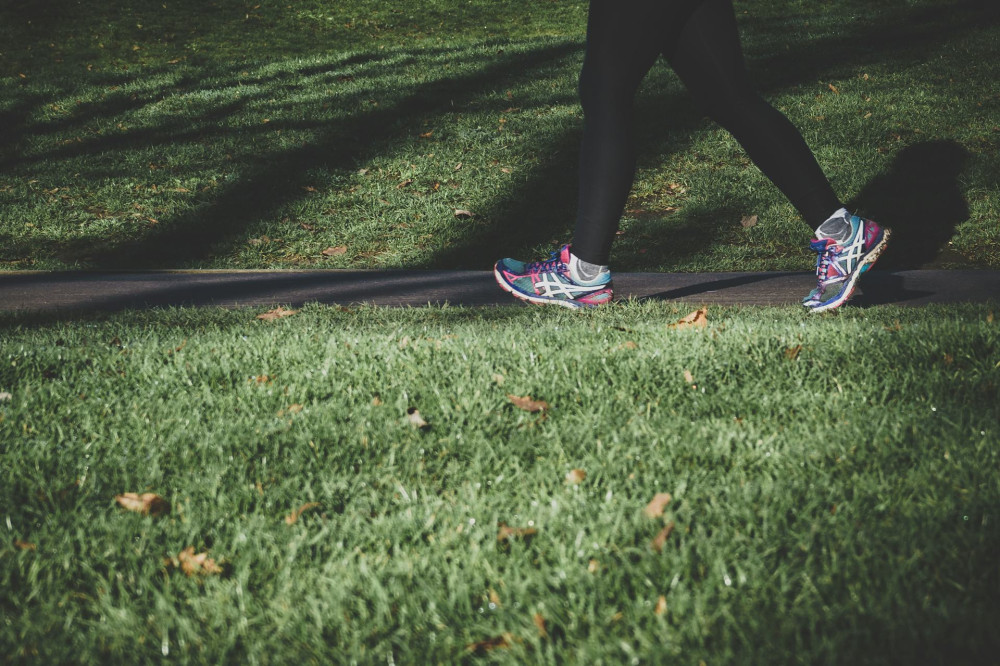
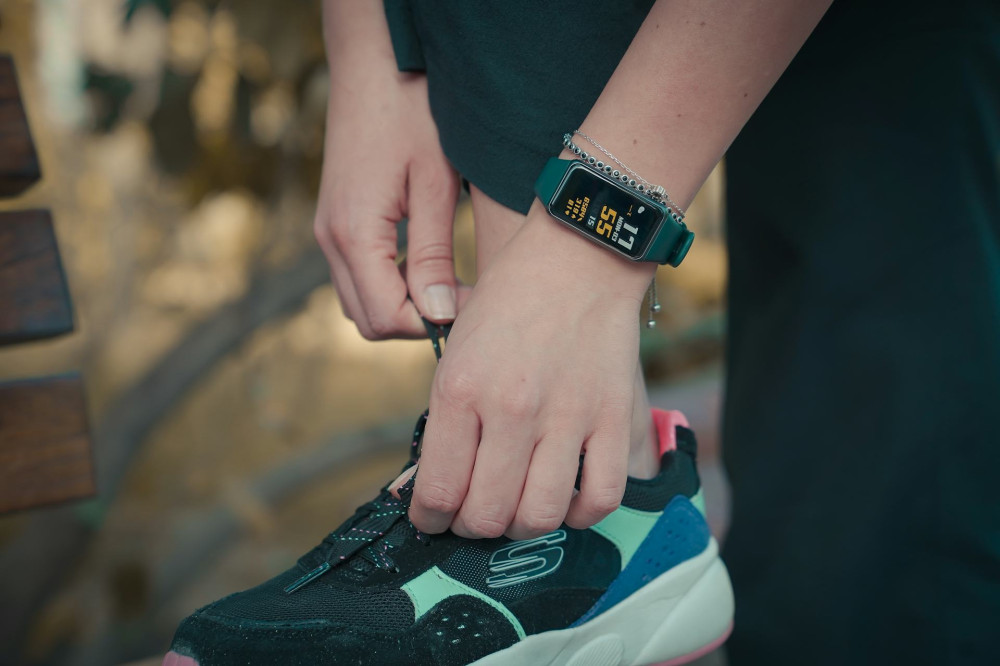
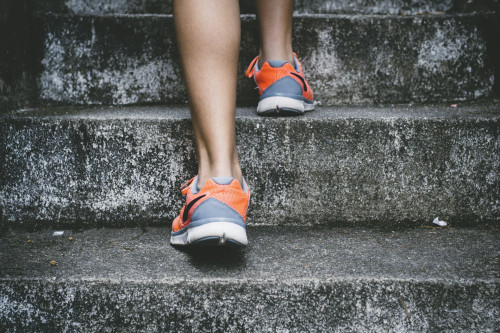
- Running shoes: Adjusting the laces can make the shoe supportive without being tight, helping prevent blisters and improving stability.
- Office chairs: Seat height, backrest angle, and armrest position should all be tailored to your body so you can sit upright with relaxed shoulders.
Taking the time to fine-tune your setup is an investment in both comfort and long-term health.
Læs også:



Fit and Performance Go Hand in Hand
When your body is in balance, you can do more with less effort. A runner with properly fitted shoes moves more efficiently, a cyclist with the right posture can pedal harder without soreness, and an office worker with an ergonomic setup can stay focused longer without fatigue.
Research shows that even small improvements in fit can boost endurance and reduce the risk of injury. It’s not about buying the most expensive gear—it’s about making what you have work for you.
How to Find the Right Fit
Finding the right fit takes awareness and a bit of patience. Here are a few simple tips:
- Listen to your body. Discomfort is a signal that something needs to be adjusted.
- Seek professional advice. Many running stores, bike shops, and physical therapy clinics offer fitting services to help you find the right setup.
- Test and tweak. Try small changes and see how they feel—minor adjustments can make a big difference.
- Think holistically. Fit isn’t just about one item; it’s about how your whole body works together.
Comfort as a Foundation for Well-Being
Comfort isn’t a luxury—it’s a foundation for your body to function at its best. When you sit, stand, or move in balance, tension decreases and your energy is used more efficiently. That means better focus, more stamina, and greater enjoyment in both work and leisure.
Prioritizing fit and adjustment isn’t just for athletes—it’s for anyone who wants a healthier, more comfortable everyday life.
Læs også: