From Ball Game to Global Sport: The Evolution of Soccer

From Ball Game to Global Sport: The Evolution of Soccer
Few sports have managed to unite people across nations, cultures, and generations quite like soccer. Today, it is the world’s most popular sport—played by millions and watched by billions. But the journey from chaotic medieval ball games to modern stadiums and global tournaments has been long and fascinating. Here’s the story of how soccer evolved from a local pastime into a worldwide phenomenon.
From Village Games to Rules and Structure
The earliest forms of soccer can be traced back thousands of years. In ancient China, a game called cuju involved kicking a ball through a net, while similar games existed in Mesoamerica and ancient Greece. In Europe, however, the sport took on its own unique form during the Middle Ages, when English and French villages competed in wild, sprawling matches that could stretch across miles and involve hundreds of players.
It wasn’t until the 19th century that the game began to take the shape we recognize today. At English public schools such as Eton, Harrow, and Rugby, local rules were developed, and the need for a standardized set of regulations became clear. In 1863, The Football Association was founded in London, and the first official rules of soccer were written down. This moment marked the separation of soccer from rugby—and the birth of the modern game.
Professionalization and Global Expansion
By the late 1800s, soccer was spreading rapidly beyond England. Sailors, merchants, and students carried the game to Europe, South America, and beyond. Clubs soon appeared in cities like Paris, Buenos Aires, and Rio de Janeiro. In 1904, the international governing body FIFA was established, giving the sport a global framework.
Initially, soccer was an amateur pursuit, but as its popularity grew, professionalism followed. England introduced professional leagues in the 1880s, and other nations soon did the same. Soccer became more than just a pastime—it became a livelihood, an industry, and a source of national pride.
Læs også:



World Cups and National Heroes
When the first World Cup was held in Uruguay in 1930, soccer had already become a global sport. The tournament brought together teams from three continents and marked the beginning of a new era. Since then, the World Cup has grown into one of the largest sporting events on the planet, uniting nations through hope, pride, and passion.
Icons such as Pelé, Diego Maradona, Johan Cruyff, and later Lionel Messi and Cristiano Ronaldo have turned soccer into more than just a game—they’ve made it an art form. Their brilliance has inspired generations and created moments that live forever in the memories of fans around the world.
Technology, Speed, and Tactical Revolutions
Soccer’s evolution has never stood still. Today, the sport is shaped by advanced technology, data analysis, and global media coverage. Video Assistant Referees (VAR), GPS tracking, and detailed performance statistics have changed both the pace of play and the way the game is understood.
Tactics have evolved just as dramatically. From early 2-3-5 formations to today’s flexible systems built on pressing and rapid transitions, soccer has always been in motion. Visionary coaches like Rinus Michels, Arrigo Sacchi, and Pep Guardiola have redefined how the game can be played—and perceived.
Soccer as Culture and Community
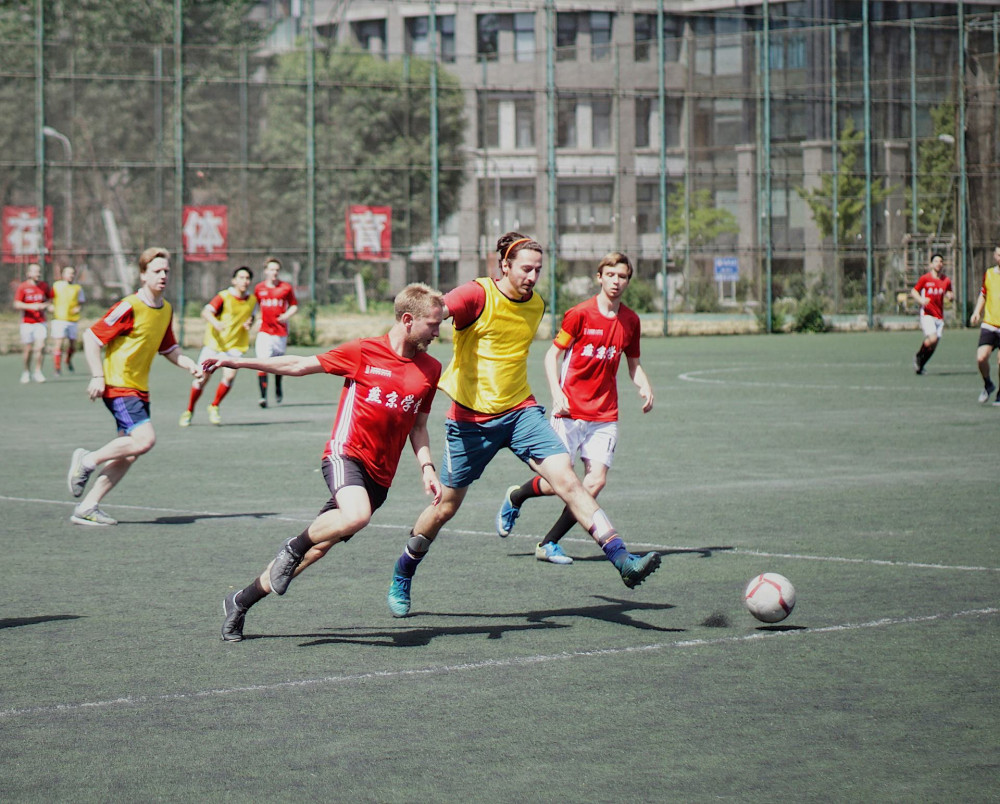
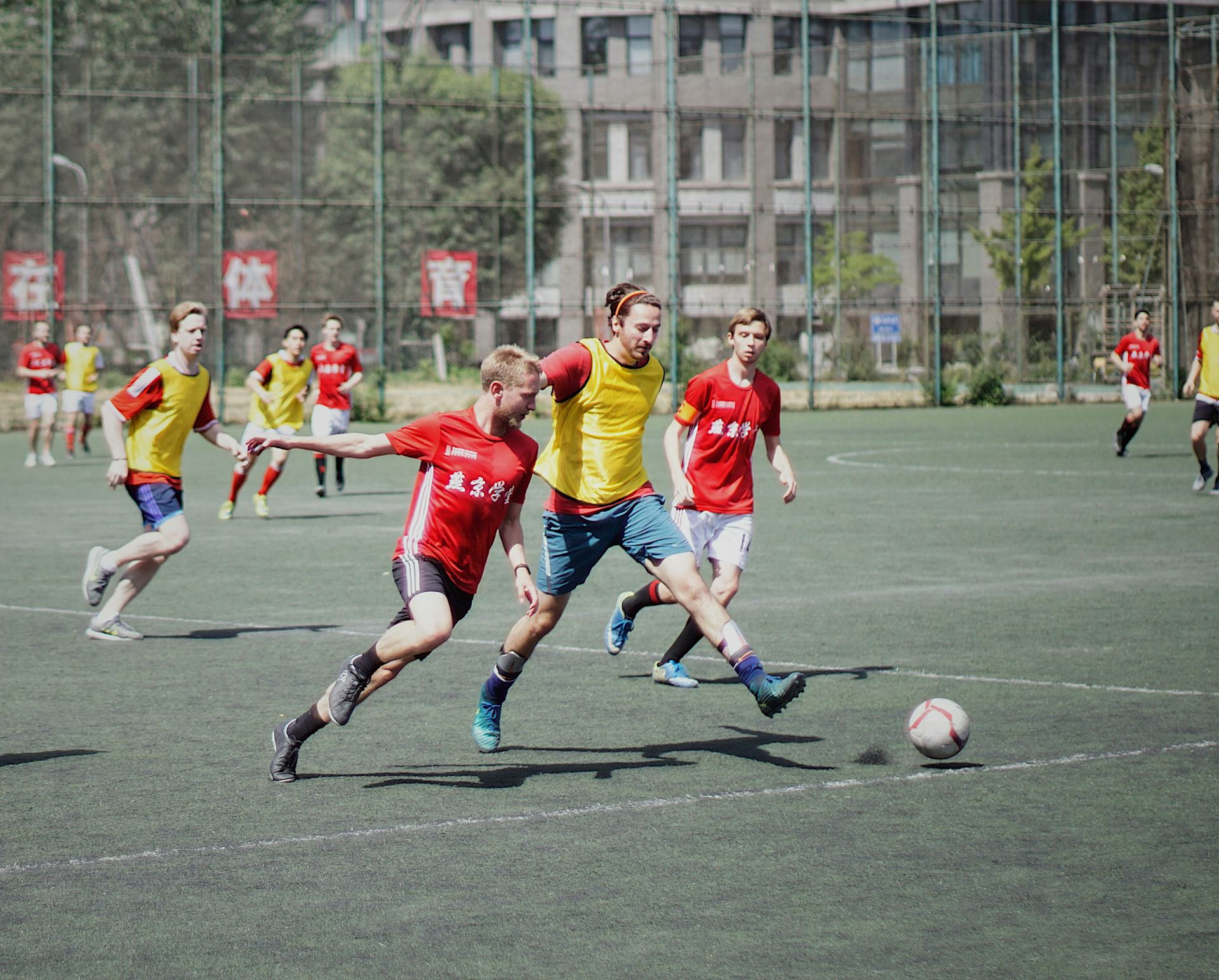
Soccer’s true power lies not only in what happens on the field but in the sense of community it creates. From neighborhood leagues and pickup games to massive stadiums and international tournaments, the sport serves as a social meeting point. It can bridge divides, reflect societal struggles, and express collective dreams.
In the United States, soccer has grown rapidly over the past few decades. Major League Soccer (MLS) has expanded across the country, youth participation is booming, and the U.S. men’s and women’s national teams have become symbols of ambition and diversity. The U.S. women’s team, in particular, has inspired millions with its success and advocacy for equality.
From Ancient Ball Games to the Sport of the Future
Soccer’s journey from medieval village contests to today’s global stage tells a story that goes beyond sport. It’s about humanity’s need for play, competition, and connection—and how a simple game with a ball can mirror the world itself.
No matter how technology or tactics evolve, soccer will remain the same at its core: a game that brings people together, stirs emotions, and creates stories that will never be forgotten.
Læs også: