Pilates Ball Exercises for Core Control and Posture Awareness
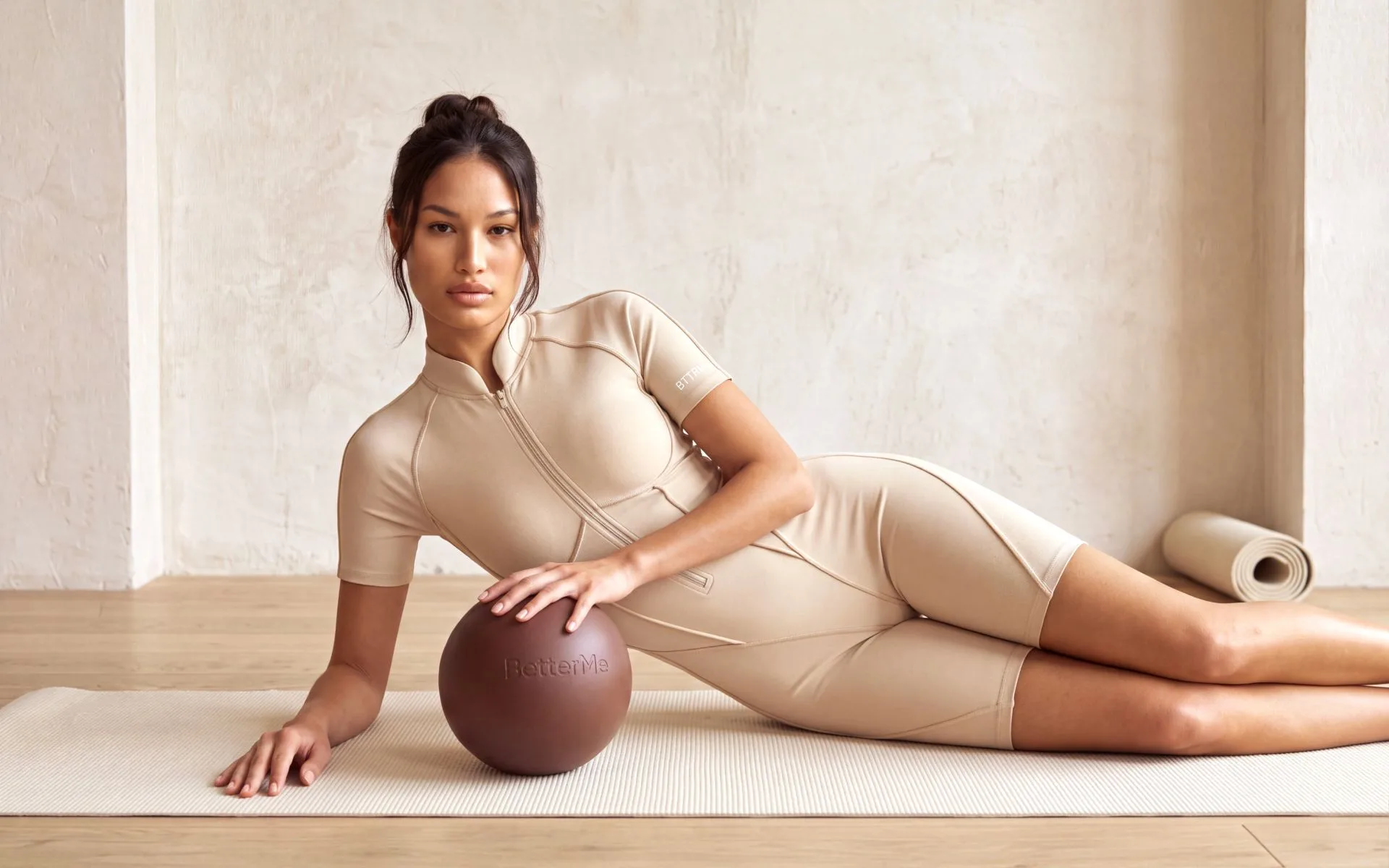

Pilates Ball Exercises for Core Control and Posture Awareness
A Pilates ball is a small, springy prop that adds gentle instability to your workouts. That little wobble asks your core to work harder, which can add a balance challenge to familiar movements at home.
This article shares general wellness information, not medical advice. If you are pregnant, have recently had surgery, manage uncontrolled blood pressure, or notice sudden back discomfort, please check with your doctor before trying a new routine.
Key Takeaways
- A Pilates ball is a compact, low-impact prop for core exercises and balance practice.
- Its gentle instability can help you engage deeper muscles without heavy loading.
- It works well for mini Pilates ball exercises, stretching, and winding down.
- Look for firmness, comfort, and portability when choosing one.
- Small, steady sessions tend to matter more than intensity.
Why does a Pilates ball work so well for home workouts?
A Pilates ball, sometimes called a small exercise ball or core stability ball, is one of the most versatile home fitness props you can own. It is light, easy to store, and simple to use in tight spaces.
Here is what makes it so handy:
- Versatility. One ball can support core work, balance drills, stretching, and gentle wind-down movement.
- Gentle challenge. The soft surface shifts slightly as you move. Your body responds by recruiting more stabilizing muscles.
- Low-impact by design. It can add challenge without heavy loading or high-impact movement.
- Beginner-friendly. You can adjust firmness to match your comfort and skill level.
When a surface is unstable, your body has to work to stay steady. Research on core and unstable-surface training suggests that adding gentle instability can increase trunk muscle activity during certain exercises. In plain terms: the wobble wakes up more of your core.
That deeper engagement is where the ball shines. It adds a stability challenge that may affect how your trunk muscles function during certain exercises.
Which exercises support core strength and posture?
You do not need a long list to see progress. A few well-chosen moves, done with control, can go a long way. Move slowly, breathe steadily, and stop if something feels off.
Here are four beginner-friendly mini Pilates ball exercises to try.
1. Ball squeeze dead bug
It wakes up the core without straining your neck or back.
- Lie on your back, knees bent.
- Hold the ball between your knees or between one hand and the opposite knee.
- Press gently into the ball as you lower one arm or leg.
- Return with control, then switch sides.
Cue: Keep your lower back quiet and steady.
2. Bridge with feet on the ball
It supports the back and builds hip control.
- Lie on your back with heels resting on the ball.
- Lift your hips until knees, hips, and shoulders form a line.
- Lower slowly.
Cue: Lift from your hips, not your lower back.
3. Forearm plank on the ball
The moving surface can raise the demand on your core.
- Place your forearms on the ball.
- Step your feet back into a plank.
- Keep your ribs down and hips level.
Cue: Think long spine, steady breath, and no sagging.
4. Stir-the-pot
It adds a gentle anti-movement challenge for the obliques.
- Start in a forearm plank with the back of your bent arms leaning on the ball.
- Draw small, slow circles with your forearms.
- Keep your torso still.
Cue: Move your arms, not your middle.
Together, these moves can build the kind of mind-body balance that helps you feel more grounded and aware in daily movement.
How do you choose the right prop for daily practice?
The right ball is the one you will actually use. Comfort and fit matter more than fancy features.
Here is what to look for:
- Firmness you can adjust. Softer for comfort and stretching, firmer for stability work.
- A comfortable, grippy surface. It should feel supportive, not slippery.
- The right size for home. A small exercise ball stores easily and suits tight spaces.
- Durable material. Look for something that holds air and handles regular use.
- Portability. Light enough to move from room to room or pack for travel.
A springy Pilates ball can add instability to familiar movements, though the effect depends on the exercise and how you use it.
You can explore the collection here to find a format that fits your daily practice, whether you want a single ball or a fuller home setup.
A quick tip: pick one that matches your main goal. If you mostly want gentle mobility, lean softer. If you want more stability challenge, lean firmer.
How can you use a Pilates ball for gentle movement after a long day?
After a long day, some people enjoy gentle movement with a Pilates ball. Move within a comfortable range and do not use the ball to manage persistent back symptoms.
The idea is simple: move gently, breathe deeply, and let your body settle. This is not about pushing hard. It is about creating space and comfort.
Try these gentle, low-impact options:
- Supported chest opener. Lie on a mat. Gently lean back onto the ball so it sits between your shoulder blades. Let your arms open wide to the sides and breathe slowly while pressing gently into the ball.
- Seated gentle roll-down. Lie on the floor with knees bent, feet flat and the ball between your shoulder blades. Take a breath in, then exhale as you slowly curl your back down toward the floor, one vertebra at a time. Inhale at the bottom, then roll back up with control.
- Adductor squeeze. Lie on your back with knees bent and feet flat on the floor. Place the ball between your knees. Gently press your knees into the ball and hold for a few seconds, then release. Repeat slowly.
Keep each movement slow and comfortable. If a stretch feels sharp or uneasy, ease off. For ongoing or sudden back discomfort, it is always wise to check with a qualified professional before continuing.
For many people, a few quiet minutes like this can be a soothing way to close out the day.
Ready to make one small change?
A Pilates ball is a simple way to add variety to a home routine. It will not do the work for you, but it can make that work more engaging, more varied, and easier to fit into a busy life.
The real progress comes from what the ball helps you do:
- Move more often.
- Engage your core with more awareness.
- Add variety without heavy or high-impact loading.
- Practice gentle mobility at home.
Start small and build up. Pick one or two moves, keep them consistent, and let your routine grow from there. Regular practice may help you become more familiar with these movements over time.