Ashtanga Yoga: The Set Sequence That Builds Strength and Balance in Body and Mind

Ashtanga Yoga: The Set Sequence That Builds Strength and Balance in Body and Mind
Ashtanga yoga is known as one of the most dynamic and disciplined styles of yoga. It’s built around a fixed sequence of postures performed in a specific order, synchronized with the breath. The result is a practice that strengthens the body, focuses the mind, and cultivates deep inner calm. But what exactly makes Ashtanga so unique—and how can you begin your own practice?
A Tradition Rooted in India
Ashtanga yoga has its roots in southern India, where it was systematized by teacher K. Pattabhi Jois in the 20th century. The word ashtanga means “eight limbs,” referring to the eightfold path of yoga described by the sage Patanjali—ranging from ethical principles and breath control to meditation and self-awareness.
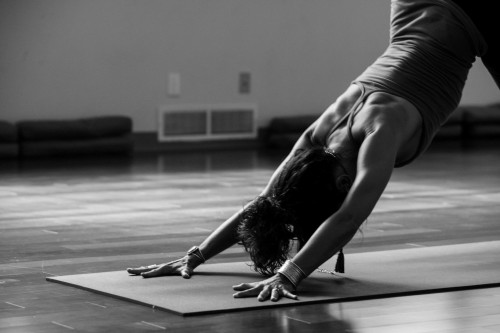
In practice, Ashtanga is a physically demanding form of yoga where movement and breath merge into a flowing rhythm. The sequence of poses is always performed in the same order, creating a meditative structure that allows practitioners to track their progress and find steadiness through repetition.
The Set Sequence – A Journey Through the Body
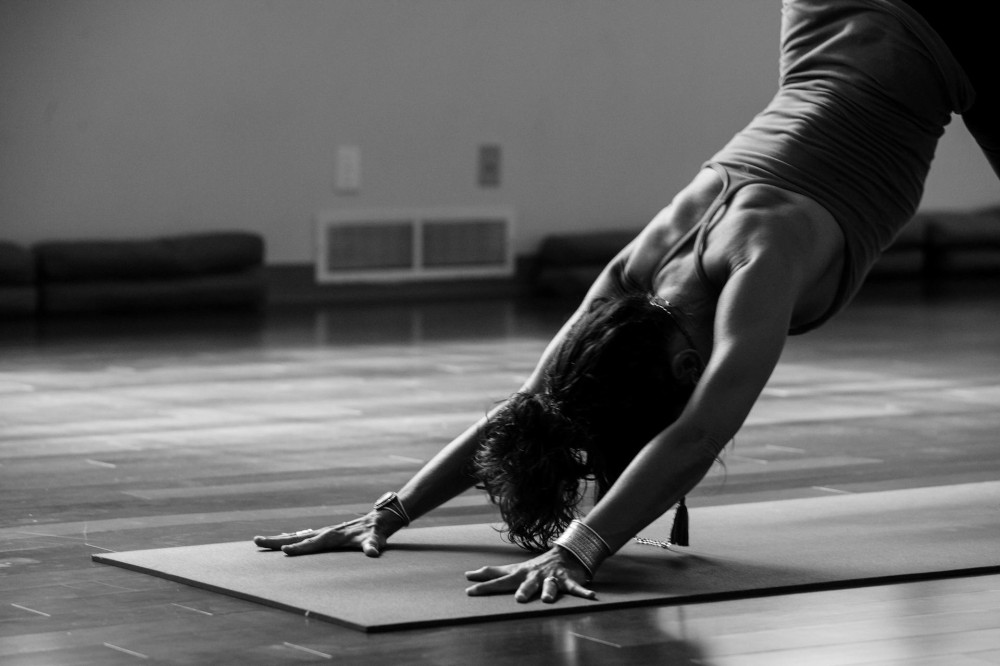
The Ashtanga system consists of six series, but most practitioners work with the first, known as the Primary Series or Yoga Chikitsa, meaning “yoga therapy.” It begins with sun salutations, continues through standing and seated postures, and ends with backbends and a period of rest.
Each posture prepares the body for the next. Over time, strength, flexibility, and endurance develop naturally—along with patience and mental focus. The fixed structure provides a sense of continuity, turning the practice into a moving meditation that evolves with you.
Læs også:



Breath as the Driving Force
At the heart of Ashtanga lies vinyasa—the connection between breath and movement. Every movement is linked to an inhale or exhale, generating internal heat that purifies the body and improves circulation. The steady rhythm of the breath also anchors the mind, helping you stay centered even when the poses are challenging.
Many practitioners describe the breath as a kind of anchor that keeps them grounded. This is what sets Ashtanga apart from many other forms of exercise—it’s not just about physical strength, but about cultivating balance between body and mind.
A Practice That Grows With You
Although Ashtanga can seem demanding at first, it’s a practice that can be adapted to all levels. Beginners often start with a shorter sequence and gradually build up as their bodies adjust to the rhythm. The key is consistency—showing up on the mat regularly, even on days when energy is low.
Over time, the sequence becomes like a mirror, reflecting how you feel physically and mentally. Some days the poses feel light and effortless; other days they feel heavy. But it’s in this repetition that the real learning happens. Ashtanga isn’t about performance—it’s about meeting yourself with curiosity and discipline.
Benefits for Body and Mind
The physical benefits of Ashtanga are easy to see: increased strength, flexibility, and stamina. But many practitioners also notice improvements in focus, sleep, and stress levels. The structured sequence and mindful breathing calm the nervous system, bringing clarity and emotional stability.
For some, Ashtanga becomes a daily ritual—a way to create rhythm and balance amid a busy life. For others, it’s a path to reconnect with the body and find mental stillness. Whatever your motivation, it’s a practice that invites deep exploration and lasting transformation.
How to Get Started
If you’d like to try Ashtanga, start by joining a led class, where a teacher guides you through the sequence. Once you’re familiar with the order of poses, you can move on to a Mysore-style class, where you practice at your own pace while receiving individual guidance from the instructor.
Learning the sequence takes time and patience, but the rewards are profound: a stronger body, a calmer mind, and a practice that can support you throughout your life.
Læs også: