Release Tension: Gentle Movement as the Path to a More Relaxed Body

Release Tension: Gentle Movement as the Path to a More Relaxed Body
In a world that moves at high speed, our bodies often pay the price. Hours spent at a desk, constant notifications, and the pressure to stay productive can leave us tense and drained. Shoulders creep upward, jaws tighten, and breathing becomes shallow. While many turn to intense workouts or deep-tissue massages to unwind, sometimes the most effective relief comes from slowing down. Gentle, mindful movement can help the body release tension—not through force, but through awareness.
Why Tension Builds Up
Tension is the body’s natural response to stress, repetitive motion, or lack of rest. When you sit in front of a computer for hours or hunch over your phone, your muscles receive the message to hold tight. Over time, this becomes a habit your body forgets to let go of.
Many people carry a baseline level of tightness without realizing it. It’s only when headaches appear or the neck feels stiff as stone that we notice how much strain we’ve been holding. Recognizing this pattern is the first step toward change.
Gentle Movement – A Path to Calm
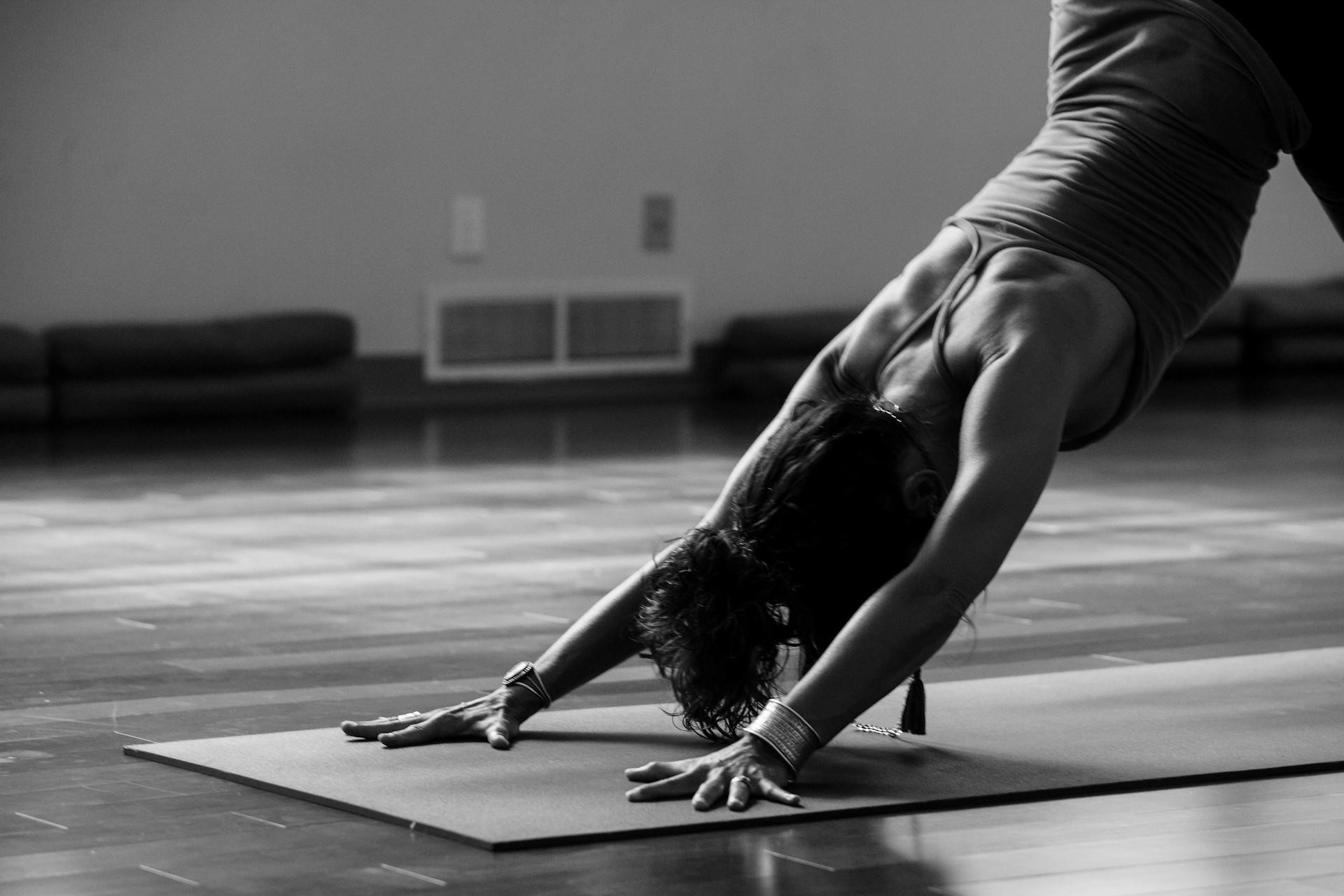
Gentle movement isn’t about performance or pushing limits. It’s about tuning in. Slow stretches, light rotations, or small, fluid motions can help the body soften from within. When you move slowly, your nervous system registers that there’s no threat—and muscles begin to release.
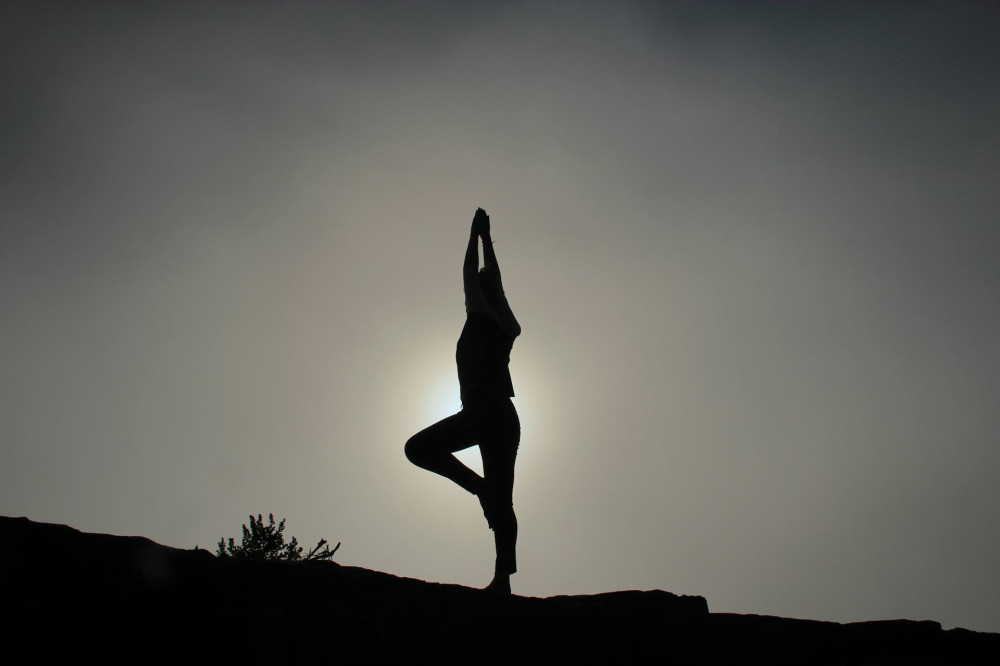
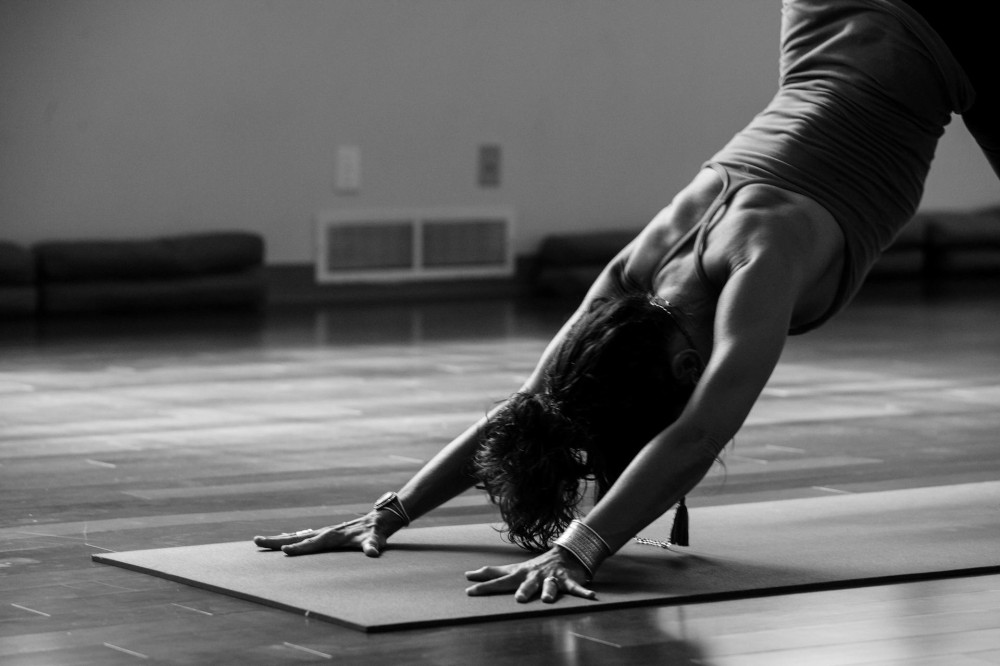
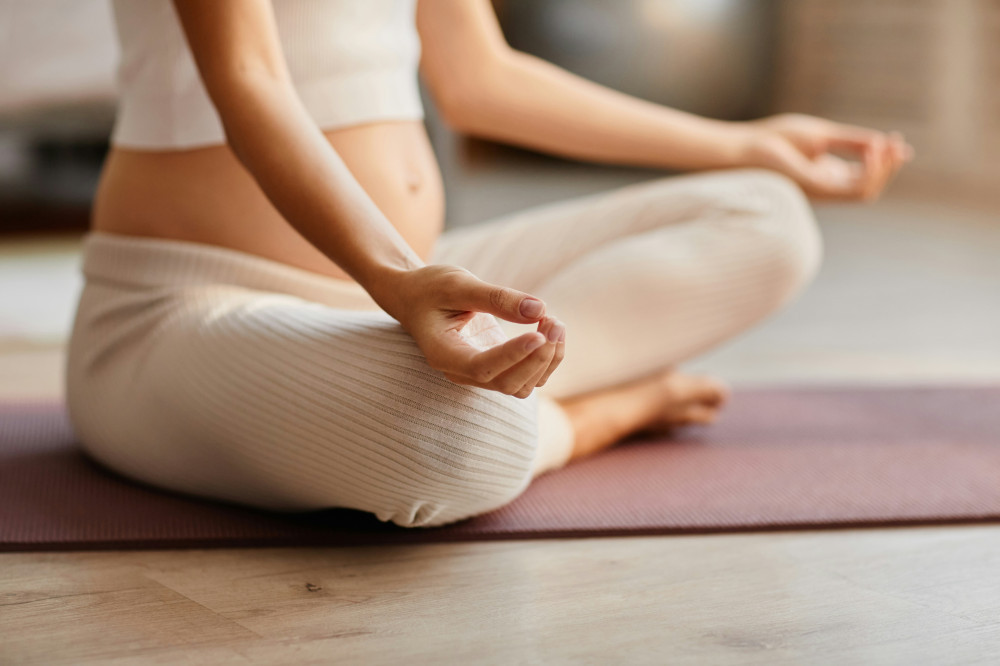
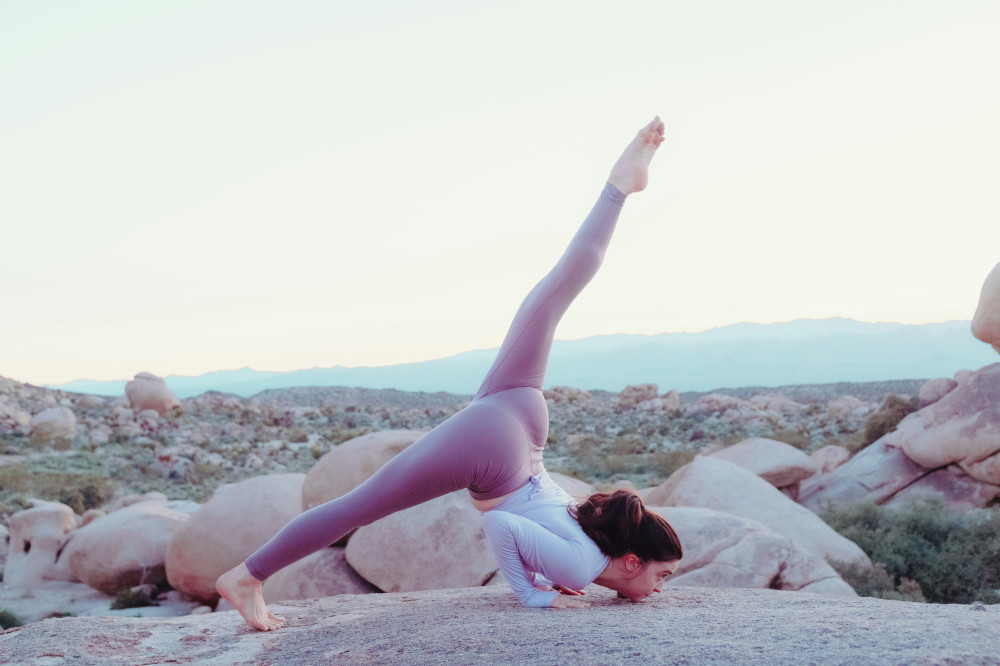
Practices like yoga, tai chi, and qigong are well-known for blending movement with relaxation. But you don’t need a studio or special gear to benefit. A short break to roll your shoulders, turn your head gently side to side, or take a few deep breaths can make a noticeable difference.
The Power of Breath
Breathing is deeply connected to how relaxed—or tense—your body feels. Under stress, breathing becomes shallow and rapid. By consciously slowing it down, you send a signal to your body that it’s safe to relax.
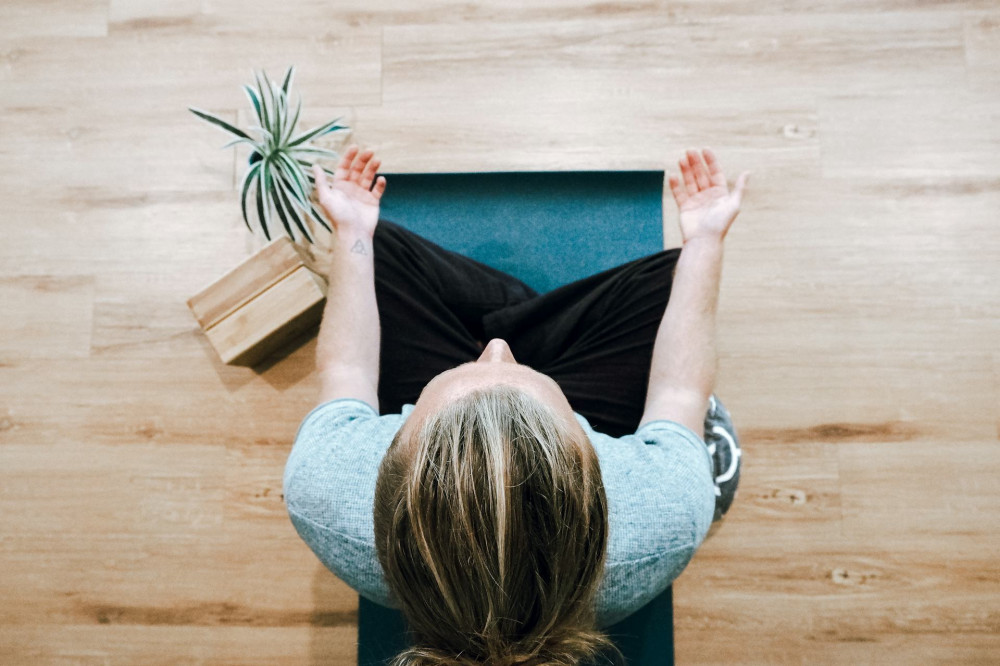
Try this: Sit comfortably, close your eyes, and inhale through your nose, letting your belly rise. Exhale slowly through your mouth. Repeat a few times, noticing how your shoulders drop and your thoughts quiet down. It’s a simple yet powerful way to reconnect with your body.
Small Breaks, Big Impact
You don’t need an hour-long session to feel results. What matters most is consistency. Build short movement breaks into your day—especially if you work at a computer. Stand up, stretch your arms, walk a few steps, or make gentle circles with your wrists and ankles.
These micro-pauses keep blood flowing and prevent tension from settling in. Over time, you’ll become more aware of when your body starts to tighten—and you’ll be able to respond before discomfort turns into pain.
When Calm Spreads
Gentle movement doesn’t just ease muscles; it soothes the mind. As the body releases tension, mental chatter often quiets down. Many people find they sleep better, have more energy, and feel more present in daily life.
It’s a reminder that body and mind are deeply connected. Moving with awareness helps restore balance—not through effort, but through trust in the body’s natural ability to find ease.
Læs også:



A New Approach to Well-Being
Releasing tension ultimately means shifting perspective: from controlling the body to listening to it. When you meet yourself with gentleness instead of pressure, you open the door to a deeper sense of well-being. It doesn’t require fancy equipment—just time, patience, and a willingness to notice.
So the next time you feel your shoulders creeping toward your ears, pause. Take a breath, move slowly, and feel your body begin to let go.
Læs også: