Mental Preparation for Ski Season: How to Make the Most of Your Days on the Slopes

Mental Preparation for Ski Season: How to Make the Most of Your Days on the Slopes
When the first snowflakes start to fall and the mountains call your name, it’s easy to focus on gear, fitness, and technique. But one of the most overlooked aspects of ski season preparation is mental readiness. How you think, plan, and respond to challenges on the slopes can make a huge difference in your performance, safety, and enjoyment. Here’s how to strengthen your mindset before you click into your bindings.
Set Realistic Expectations
It’s tempting to picture bluebird days, perfect powder, and effortless turns. But real ski days often include changing weather, fatigue, and moments when things just don’t click. Starting the season with realistic expectations helps you stay positive and adaptable.
Ask yourself what you truly want from your ski days: Is it improving your technique, soaking in the mountain scenery, or simply having fun with friends and family? When your goals are clear, it’s easier to accept that not every run will be perfect—and that success isn’t about speed or difficulty, but about enjoying the experience.
Train Your Focus
Skiing demands constant attention. You’re reading the terrain, reacting to other skiers, and adjusting your balance—all at speed. Strong concentration can be the difference between a smooth run and a fall.
You can train your focus long before you hit the slopes. Try short mindfulness exercises that help you stay present, such as focusing on your breathing or the rhythm of your movements during workouts. The better you get at maintaining focus, the more calmly and precisely you’ll respond to what happens on the mountain.
Manage Fear and Uncertainty
Even experienced skiers feel nervous at times—especially on steep runs or in poor visibility. Fear is natural, but if it takes over, it can tighten your body and throw off your technique.
A good approach is gradual exposure: start on terrain where you feel comfortable and slowly work your way up to more challenging slopes. Visualization can also help—imagine yourself skiing smoothly and in control, feeling the snow under your skis and your body moving with confidence. This mental rehearsal builds trust in your abilities and helps you stay composed when conditions get tough.
Læs også:
Use Visualization as a Training Tool
Many professional athletes use visualization to prepare for performance, and skiers can benefit just as much. The idea is to mentally rehearse the sensations, rhythm, and flow of skiing so your brain “practices” before your body does.
Close your eyes and picture a run from start to finish: see yourself carving turns, feeling the snow’s texture, and maintaining balance. Research shows that visualization activates the same neural pathways as physical practice, improving coordination and reaction time. It’s a simple but powerful way to sharpen your mental edge.
Balance Control and Enjoyment
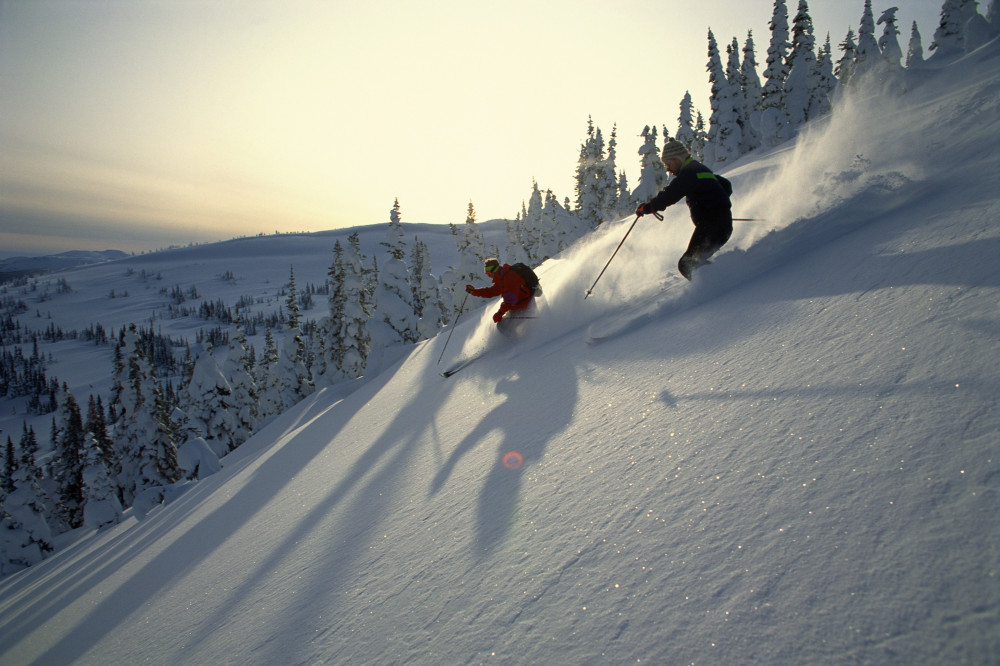
Skiing is about control—of speed, technique, and body movement—but it’s also about freedom. The best days on the mountain happen when you find the balance between focus and flow.
Pay attention to how you feel while skiing: Are you tense, or are your movements fluid and natural? If you notice frustration or stress creeping in, take a break, breathe deeply, and remind yourself why you’re there—to have fun. Letting go of perfection often leads to better skiing and a more rewarding experience.
Don’t Forget Mental Recovery
After a full day on the slopes, your body isn’t the only thing that needs rest—your mind does too. Give yourself time to unwind, whether that’s with a quiet walk, a warm drink by the fire, or sharing stories with your ski buddies.
Mental recovery helps you stay motivated and focused throughout your trip. It’s also a chance to reflect on what went well and what you’d like to improve next time. A calm, rested mind is your best ally for another great day on the mountain.
Skiing as Mental Training
Skiing isn’t just a physical sport—it’s a mental one. It teaches you to handle uncertainty, make quick decisions, and stay present in the moment. Many skiers find that the mental skills they develop on the slopes—focus, patience, and resilience—carry over into everyday life.
When you see ski season as an opportunity for both physical and mental growth, every run becomes more meaningful. You’ll not only ski better but also enjoy the mountains with a deeper sense of confidence and joy.
Læs også: