Set Up Your Gear Properly – and Avoid Injuries on the Slopes

Set Up Your Gear Properly – and Avoid Injuries on the Slopes
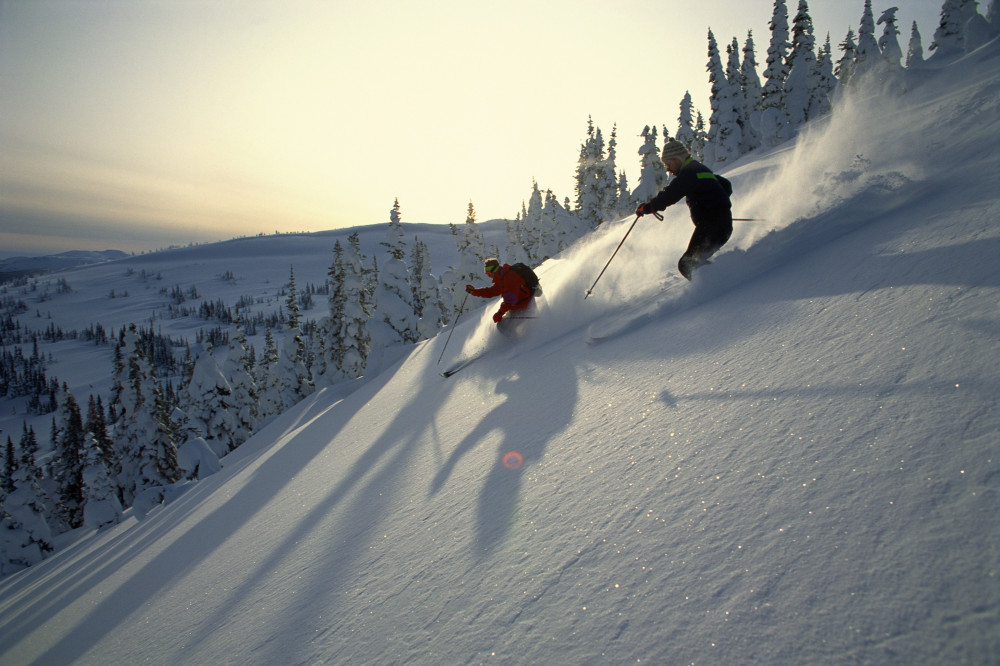
A day on the slopes should be about fun, fresh air, and adventure – not about sore knees or a trip to the clinic. Many ski injuries don’t come from dangerous runs but from poorly adjusted equipment. With a few simple checks and the right setup, you can greatly reduce your risk of getting hurt. Here’s how to make sure your ski gear fits and functions the way it should, so you can enjoy every run safely and comfortably.
Why Proper Setup Matters
Your body and your gear work as one system when you ski. If your boots are too loose, you lose control. If your bindings release too early – or too late – you risk twisting a knee or taking a hard fall. Even small mistakes in setup can lead to strain on your joints and muscles.
Properly adjusted equipment helps you steer more precisely, react faster, and stay balanced. It’s not just about comfort – it’s about safety.
Start with the Boots – Your Most Important Connection
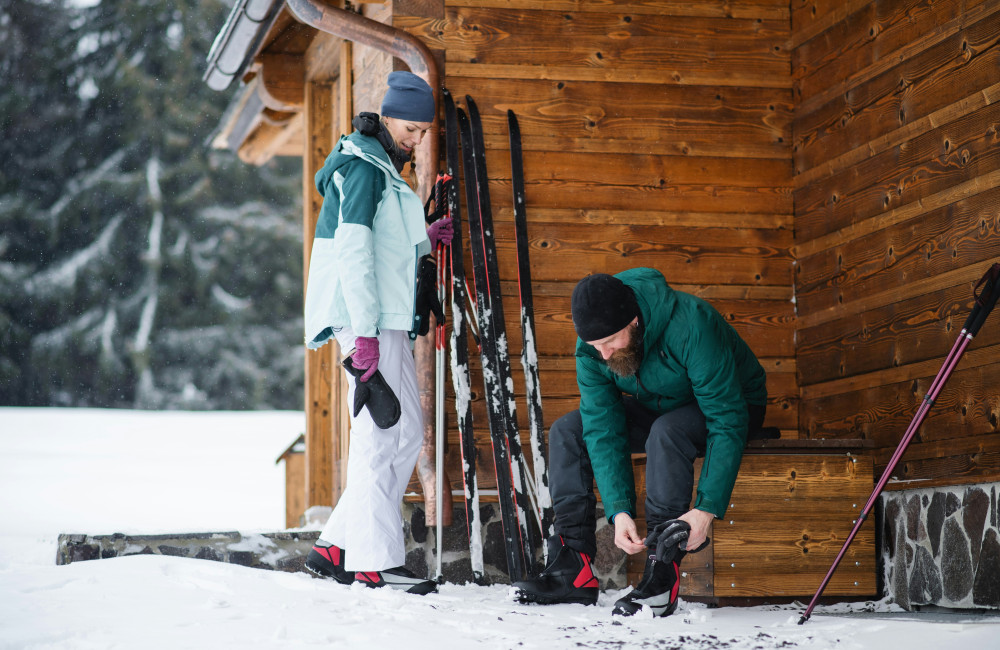
Your ski boots are the key link between you and your skis. They should fit snugly but not pinch.
- Try them on with the socks you’ll wear on the mountain. Thick socks can cause pressure points and poor circulation.
- Your heel should stay in place. When you bend your knees forward, your heel shouldn’t lift.
- Tighten the buckles evenly. It’s better to tighten gradually than to overdo it right away.
- Walk around for a few minutes. Your feet expand as they warm up, so check the fit after a short time.
If you’re renting gear, tell the technician your weight, height, and skill level – these details help them choose the right boots for you.
Bindings: Small Adjustments, Big Impact
Bindings determine when your skis release during a fall. They must be set according to your weight, height, age, skiing style, and experience level. This setting is called the DIN value.
- Too low a DIN: The ski may pop off too easily, even during normal turns.
- Too high a DIN: The ski may not release when it should, increasing the risk of knee injuries.
Always have a certified technician at the rental shop or ski store adjust your bindings. They have the tools to test and verify that everything works correctly. Before you click in, make sure the bindings are clean and free of ice or snow.
Læs også:
Ski Poles – More Than Just Support
Pole length affects your balance and technique. A good rule of thumb: when you place the pole tip on the ground and hold it just below the basket, your elbow should form a right angle.
Poles that are too short make you lean too far forward, while poles that are too long can throw off your rhythm. Adjust the straps so you can easily let go of the pole if you fall.
Choosing the Right Skis
The right skis depend on your skill level and the terrain you plan to ski.
- Beginners: Shorter, softer skis that are easier to turn.
- Intermediate to advanced skiers: Longer, stiffer skis for stability at higher speeds.
- Powder or backcountry: Wider skis that float better in deep snow.
If you’re renting, be honest about your ability level. It helps the staff match you with the right equipment – and you’ll have a much better time on the slopes.
Don’t Forget the Helmet – and Fit It Correctly
A helmet only protects you if it fits properly. It should sit snugly on your head without pressure points, and the chin strap should be tight enough to keep it from sliding back. Try it on with your goggles to make sure they fit together without gaps where cold air or snow can get in.
Check Your Gear Every Day
Even the best equipment needs a little care. Wipe down your skis and boots after each day, and clear snow and ice from your bindings. Make sure buckles, straps, and edges are in good condition. A quick inspection each morning can prevent both discomfort and accidents.
Safety Starts with Preparation
Skiing is about freedom, excitement, and the joy of being outdoors – but it also requires respect for your gear and the mountain. Taking the time to set up your equipment properly gives you the best chance for a safe, enjoyable day on the slopes. A few minutes of preparation can make all the difference.
Læs også: