Run Smart: How to Prevent Overuse Injuries with Good Running Technique


Run Smart: How to Prevent Overuse Injuries with Good Running Technique
Running is one of the simplest and most effective ways to stay fit—you just need a pair of shoes and a bit of motivation. But because it’s so easy to start, many runners overlook technique. The result? Overuse injuries that can sideline you for weeks or even months. By paying attention to how you run, you can improve performance and reduce your risk of injury. Here’s how to run smart and stay healthy.
Understand Your Body—and Why Injuries Happen
Most running injuries don’t come from accidents but from repetitive stress over time. Every step sends impact forces through your muscles, tendons, and joints. If your body doesn’t have enough time to recover, small irritations can turn into inflammation or chronic pain—often in the knees, hips, shins, or Achilles tendon.
Overuse injuries often occur when you increase mileage too quickly, run on hard surfaces all the time, or have inefficient form. Preventing them isn’t about running less—it’s about running smarter.
Find Your Natural Running Form
There’s no single “perfect” running style, but a few key principles can help you move more efficiently and reduce strain.
- Keep your posture tall – Avoid leaning forward from the hips. Imagine a string gently pulling you upward from the top of your head.
- Relax your shoulders and arms – Tension in the upper body can travel downward. Keep your arms bent at about 90 degrees and let them swing naturally.
- Shorten your stride and increase cadence – Overstriding (landing with your foot far in front of your body) increases impact on your knees and hips. Aim for a cadence of around 170–180 steps per minute.
- Land under your center of mass – Try to place your foot directly beneath you, not ahead. This reduces braking forces and helps your stride feel smoother.
If possible, consider a video gait analysis at a local running store, physical therapy clinic, or with a certified running coach. Seeing your form in motion can reveal small adjustments that make a big difference.
Build Strength and Stability
Good running technique depends on more than just running. Strong, stable muscles help you maintain form and absorb impact efficiently.
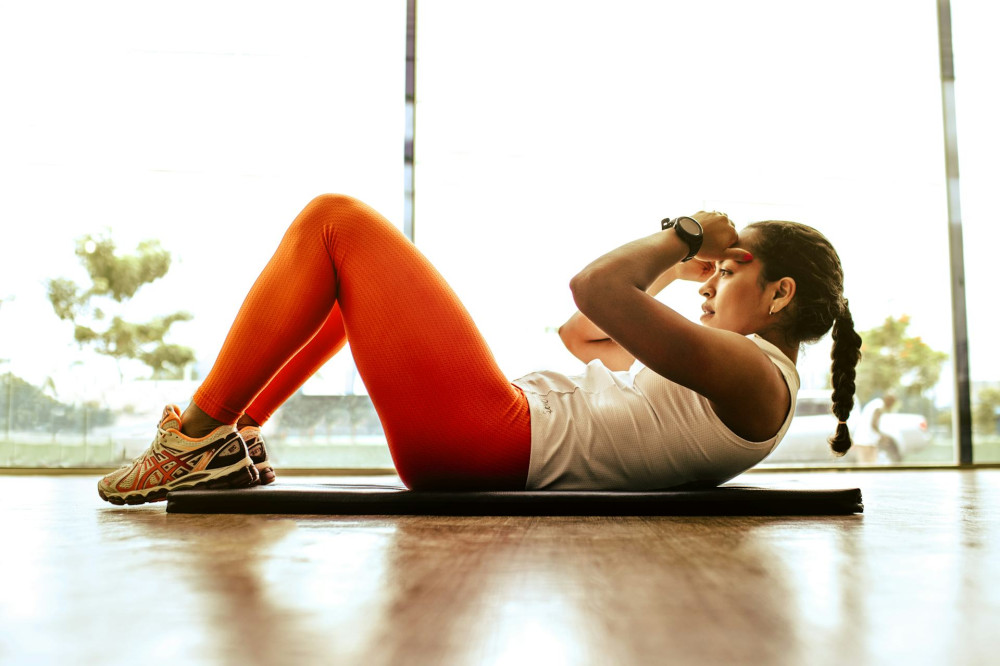
- Core training strengthens your abs and back, helping you maintain posture and balance.
- Hip and glute exercises stabilize your pelvis and can prevent knee pain.
- Foot and lower leg strength can be improved with calf raises, balance drills, and barefoot exercises on soft surfaces.
Two short strength sessions per week can significantly reduce your risk of recurring injuries.
Mix Up Your Training
Your body thrives on variety. Running the same route at the same pace every day stresses the same tissues repeatedly. By changing up your workouts, you give your body time to adapt and grow stronger.
- Alternate between pavement, trails, and tracks.
- Include easy recovery runs and short interval sessions.
- Cross-train with cycling, swimming, or strength workouts.
Variety not only keeps training interesting—it makes you a more resilient runner.
Læs også:




Listen to Your Body
Pain is your body’s way of signaling that something’s off. Ignoring it can turn a minor issue into a serious injury.
Watch for:
- Persistent soreness that doesn’t fade after a few days.
- Pain that worsens during a run.
- Swelling or stiffness around joints.
When in doubt, take an extra rest day or replace a run with low-impact activity. A short break now can prevent a long layoff later.
Use the Right Gear
A good pair of running shoes won’t fix poor form, but the right fit can support your natural stride. Visit a specialty running store for a fitting, and replace shoes every 300–600 miles, depending on your weight, running style, and surfaces.
Rotating between two pairs of shoes—perhaps a lighter pair for short runs and a more cushioned pair for long ones—can also help distribute stress differently across your muscles and joints.
Make Technique a Habit
Improving your running form takes time. Start with small adjustments—like focusing on cadence or posture for a few minutes at a time. As it becomes more natural, build on those changes gradually.
The key is patience. Running well isn’t about perfection—it’s about awareness. With mindful technique, you can stay injury-free, run farther, and enjoy every mile a little more.
Læs også: