Strong Core, Strong Runner: Effective Equipment-Free Exercises


Strong Core, Strong Runner: Effective Equipment-Free Exercises
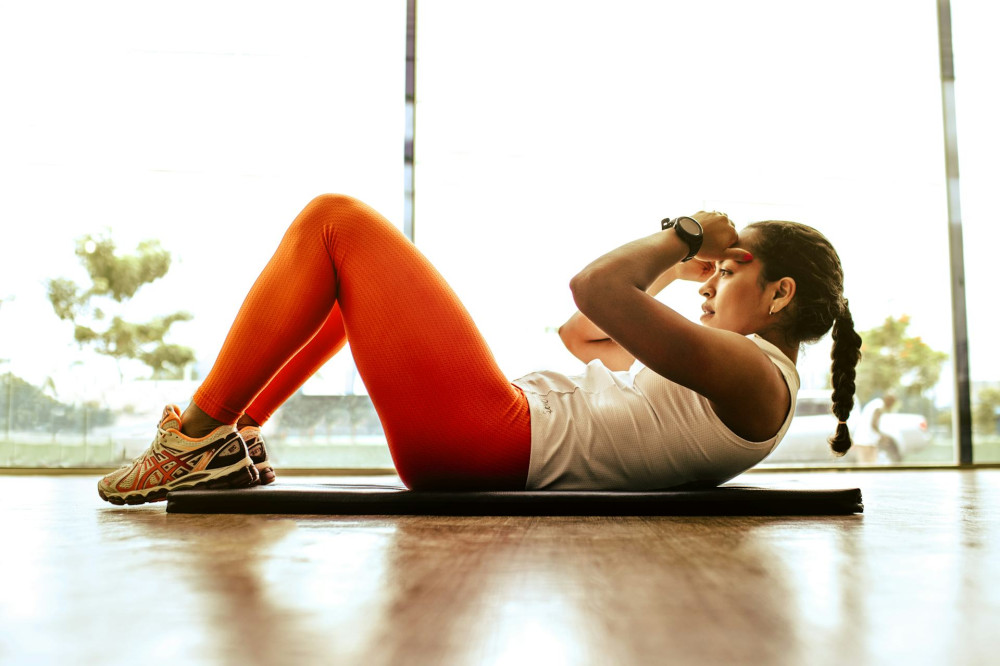
A strong core is the foundation of efficient running. It helps you maintain good posture, improves running economy, and reduces the risk of injury. Many runners focus mainly on their legs, but it’s the muscles around your abdomen, back, and hips that keep your body stable and moving efficiently. The good news? You don’t need a gym or fancy equipment to build a solid core—just your body weight and a bit of space.
Here’s a guide to simple, effective exercises that can help you strengthen your core and become a more resilient runner.
Why Core Training Matters for Runners
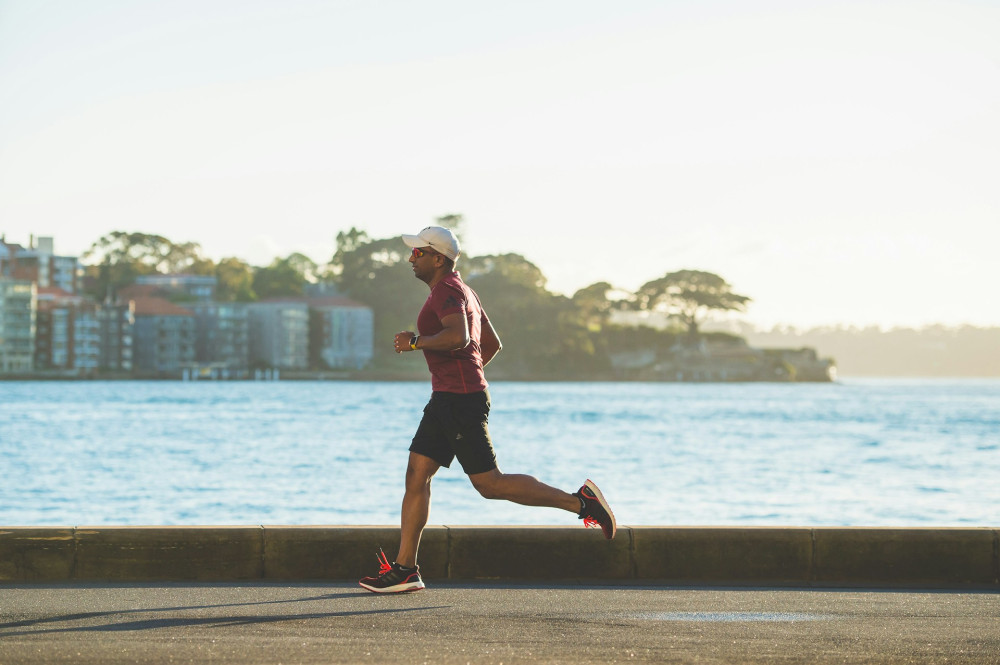
When you run, your core works constantly to stabilize your body. Every stride requires your abdominal, back, and hip muscles to transfer energy efficiently from your legs to the rest of your body. A weak core can cause your posture to collapse, reduce your power, and place extra stress on your hips and knees.
A strong core gives you:
- Better running economy – you use less energy to stay upright and balanced.
- Lower injury risk – especially in the lower back, hips, and knees.
- Improved posture – you can maintain an upright, relaxed form even on long runs.
Core training isn’t just about crunches—it’s about strengthening the entire midsection, from shoulders to hips.
5 Effective Equipment-Free Exercises
You can do these exercises at home, in your backyard, or right after a run at the park. Aim to complete this short routine two to three times per week.
1. Plank – The Classic That Works
The plank engages your entire core, especially the deep stabilizing muscles.
- Start on your forearms and toes, keeping your body in a straight line.
- Engage your abs and glutes, avoiding any sagging in your lower back.
- Hold for 30 seconds and gradually work up to 1 minute.
2. Side Plank – Strengthens Obliques and Hips
This variation targets the sides of your core, which are key for hip stability.
- Lie on your side with your elbow under your shoulder.
- Lift your hips so your body forms a straight line.
- Hold for 20–40 seconds on each side.
3. Glute Bridge – Activates Glutes and Hamstrings
Your glutes play a major role in running power and stability.
- Lie on your back with knees bent and feet flat on the floor.
- Lift your hips until your body forms a straight line from shoulders to knees.
- Hold for a few seconds, then lower slowly. Repeat 10–15 times.
4. Dead Bug – Builds Coordination and Control
This move trains your core to stabilize while your limbs move.
- Lie on your back with arms extended toward the ceiling and legs bent at 90 degrees.
- Slowly lower your right arm and left leg toward the floor while keeping your lower back pressed down.
- Return to the start and repeat on the opposite side. Do 8–10 reps per side.
5. Mountain Climbers – Core and Cardio Combined
A dynamic exercise that challenges both strength and endurance.
- Start in a plank position.
- Drive your knees alternately toward your chest in a steady rhythm.
- Continue for 30–45 seconds, rest briefly, and repeat 2–3 times.
Making It Part of Your Routine
Consistency is key. You don’t need long sessions—10 to 15 minutes a few times a week can make a noticeable difference. Try adding core work after your runs while your body is warm, or as a quick morning routine.
A simple starter program could look like this:
- Plank – 3 x 30 seconds
- Side Plank – 2 x 30 seconds per side
- Glute Bridge – 3 x 12 reps
- Dead Bug – 2 x 10 reps per side
- Mountain Climbers – 3 x 30 seconds
As you get stronger, increase the duration or number of repetitions.
Læs også:




Feel the Difference on Your Runs
After a few weeks, you’ll likely notice improved stability, especially when fatigue sets in. Your posture will feel more natural, and maintaining pace will become easier. A strong core doesn’t just make you a faster runner—it makes you a more durable one, less prone to the small overuse injuries that can derail training.
Core training is an investment in both performance and longevity. And the best part? You can start today—no equipment required.
Læs også: