Adjust Your Meal Timing for Better Workout Results

Adjust Your Meal Timing for Better Workout Results
When it comes to fitness, when you eat can be almost as important as what you eat. Meal timing is about aligning your energy intake with your body’s needs before, during, and after exercise. By planning your meals strategically, you can boost performance, speed up recovery, and support muscle growth. Here’s how to fine-tune your meal timing to get the most out of your workouts—whether you lift weights, run, or take group fitness classes.
Before Your Workout: Fuel Up the Right Way
A good pre-workout meal should energize you without feeling heavy. The goal is to balance carbohydrates, protein, and fat—and to eat early enough for proper digestion.
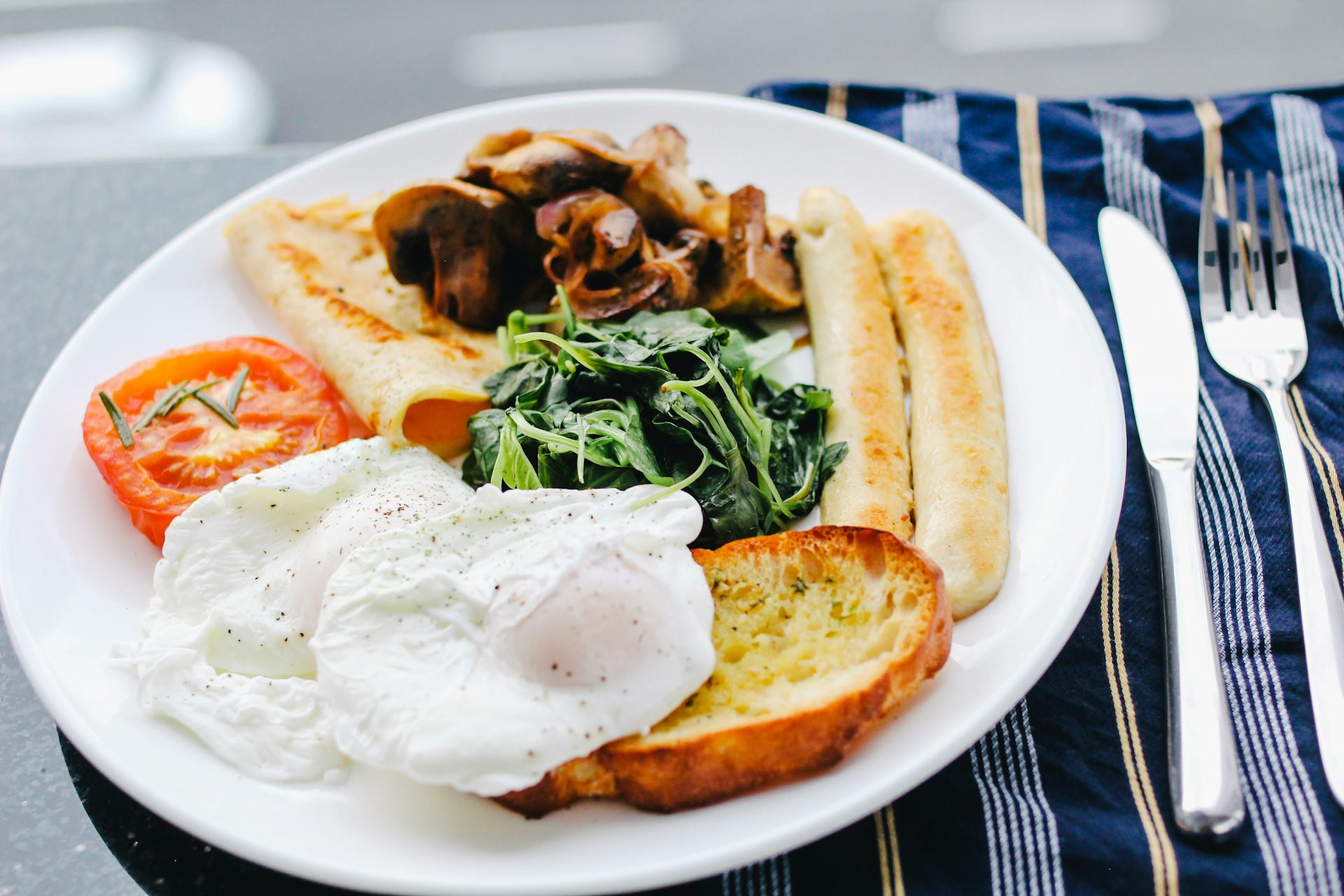
- 2–3 hours before your workout: Have a balanced meal with complex carbs (like brown rice, whole-grain pasta, or sweet potatoes), lean protein (such as chicken, fish, or eggs), and a small amount of healthy fats. This gives your body time to digest and store energy in your muscles.
- 30–60 minutes before your workout: If you’re training on an empty stomach or need an energy boost, grab a light snack—like a banana, a slice of whole-grain toast with peanut butter, or a small smoothie. Avoid greasy or high-fat foods that can cause discomfort while exercising.
Hydration is just as important. Make sure you’re well-hydrated before you start—being even slightly dehydrated can affect endurance and focus.
Læs også:

During Your Workout: Keep Energy Levels Steady
For most people, water is enough during workouts lasting under an hour. But if your session is longer or more intense, your body may need extra fuel.
- For workouts over 60–90 minutes: Aim for 30–60 grams of carbohydrates per hour—through a sports drink, energy gel, or dried fruit. This helps maintain blood sugar levels and delays fatigue.
- In hot or humid conditions: Replace electrolytes lost through sweat with a sports drink or electrolyte supplement.
Experiment to find what works best for your body and your type of training. Everyone’s tolerance and energy needs are different.
After Your Workout: Rebuild and Recover
After exercise, your body is primed to absorb nutrients. Muscles need both carbohydrates to replenish glycogen stores and protein to repair and build tissue.
- Within 30–60 minutes after your workout: Eat a meal or snack that includes both carbs and protein—like Greek yogurt with fruit, a protein shake with oats, or a turkey sandwich. This helps jump-start recovery.
- Later in the day: Have a balanced meal with a variety of nutrients. Recovery continues for hours, so your total daily intake matters as much as your post-workout snack.
If you train in the evening, a light dinner with protein and some carbs can support recovery without interfering with sleep.
Meal Timing and Your Fitness Goals
How you time your meals depends on what you want to achieve with your training.
- Building muscle: Aim for a steady intake of protein throughout the day—about 20–30 grams per meal. This supports muscle growth and reduces breakdown.
- Losing weight: Focus on eating before and after workouts to fuel performance and recovery, but avoid “rewarding” yourself with oversized meals afterward. Keeping blood sugar stable helps control appetite.
- Endurance training: Plan your carbohydrate intake so your energy stores are full before long sessions and replenished afterward.
The key is to create a rhythm that fits your lifestyle. Regular meals and snacks help maintain steady energy levels and prevent overeating.
Small Adjustments, Big Results
You don’t need to overhaul your entire diet to see improvements. Often, small tweaks in timing and composition make a noticeable difference. Pay attention to how your body feels and performs as you adjust your habits.
By planning your meals around your workouts, you can give your body exactly what it needs—at the right time. It’s a simple but powerful way to get more out of every training session.
Læs også: