Eat Right Before, During, and After Your Workout – Depending on Your Sport

Eat Right Before, During, and After Your Workout – Depending on Your Sport
Whether you’re running, cycling, lifting weights, or playing team sports, what you eat can make a big difference in how you perform and recover. The right food at the right time can boost your energy, reduce fatigue, and help your body rebuild after exercise. But your nutritional needs vary depending on the type of sport you do. Here’s a guide to how you can fuel your body before, during, and after your workout—tailored to your sport.
Before Your Workout – Fuel to Perform Your Best
The goal of your pre-workout meal is to give your body energy without weighing you down. It’s about finding the right balance of carbohydrates, protein, and fat—and eating at the right time.
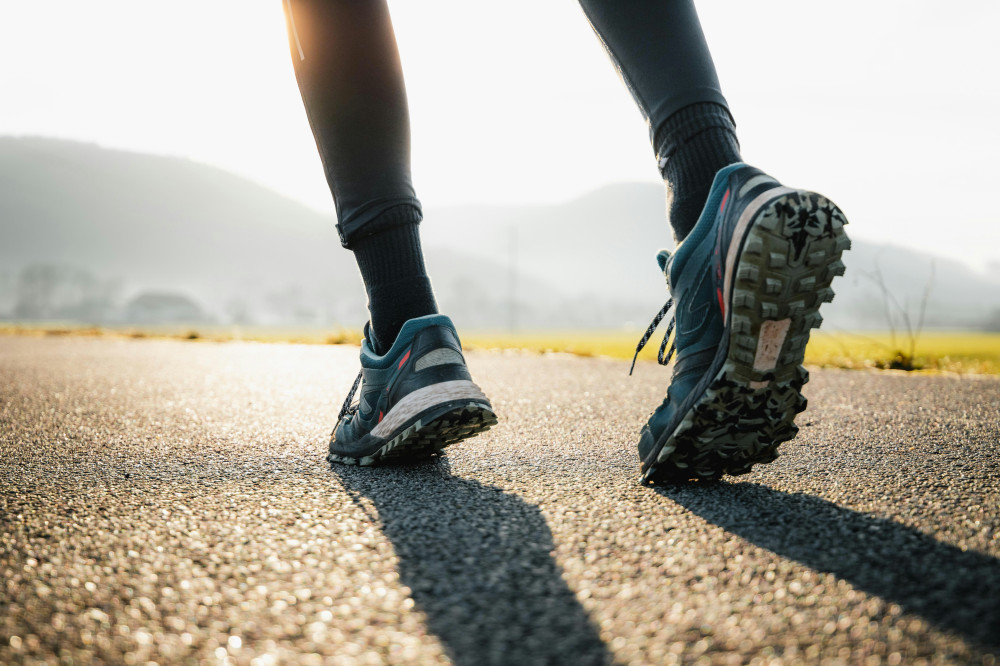
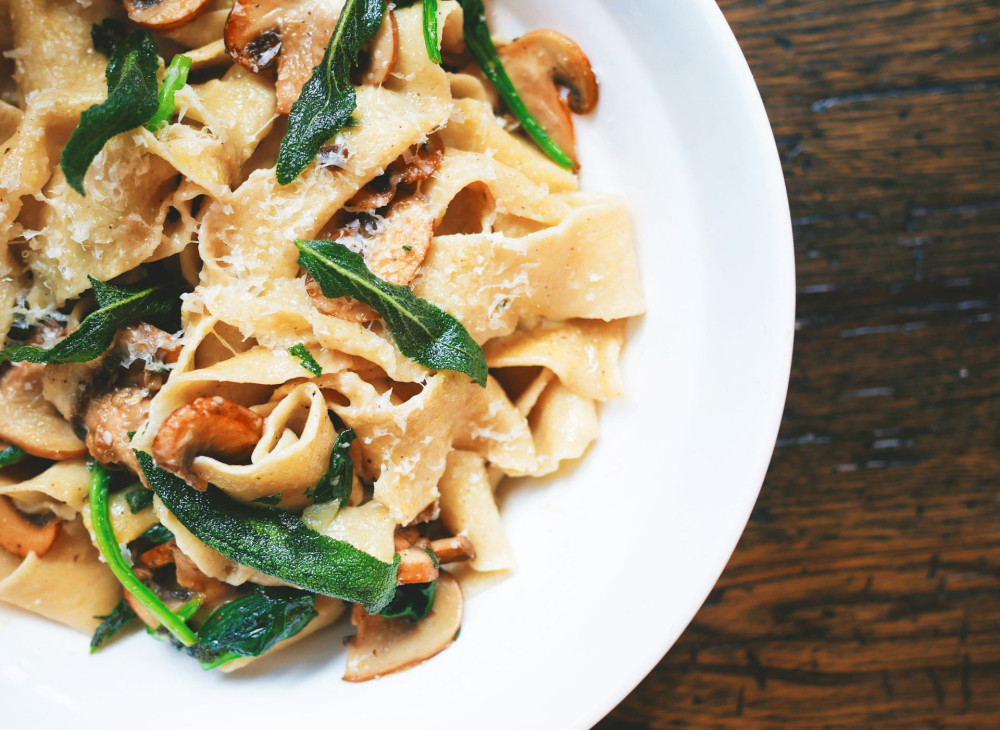
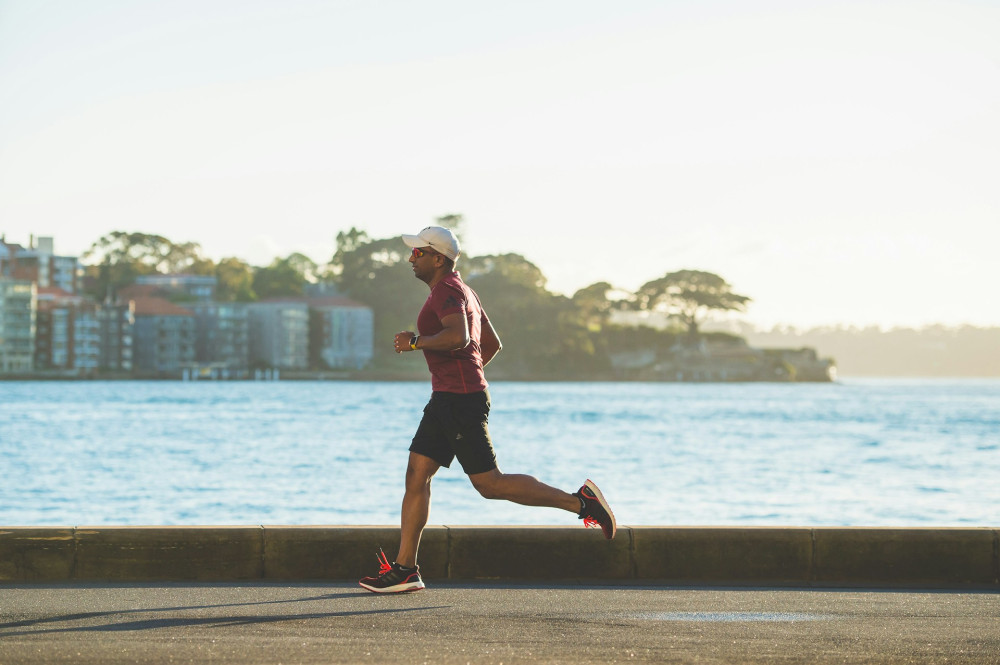
- Endurance sports (running, cycling, swimming): Eat a carbohydrate-rich meal 2–3 hours before training, such as oatmeal with fruit or a pasta dish with vegetables. Carbs fill up your glycogen stores, your body’s main energy source for long-duration activity.
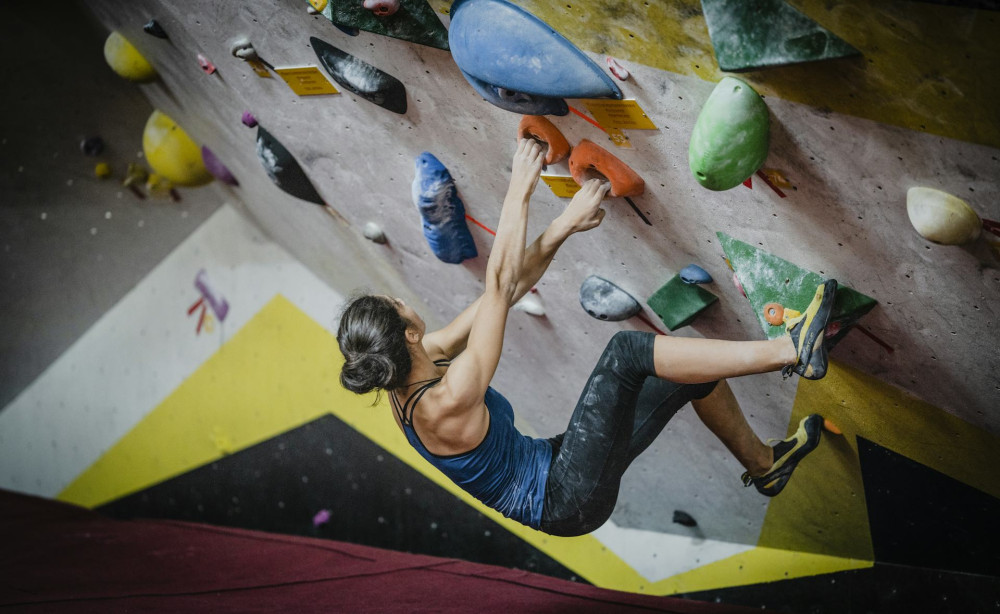
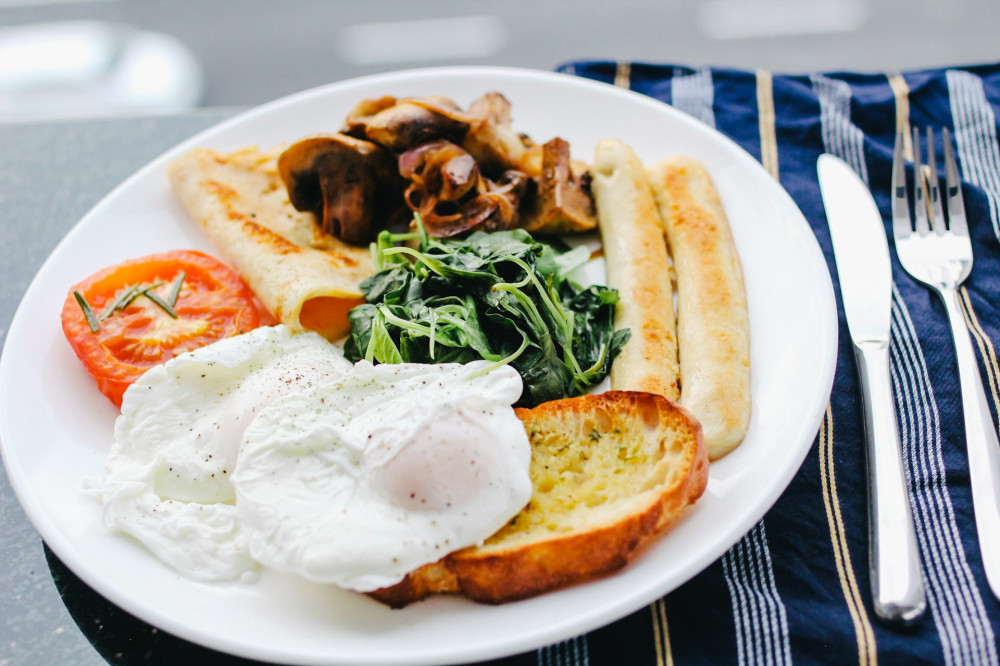
- Strength training: Focus on both energy and muscle support. A meal with carbs and protein—like whole-grain toast with eggs or Greek yogurt with granola—helps stabilize energy levels and prepares your muscles for work.
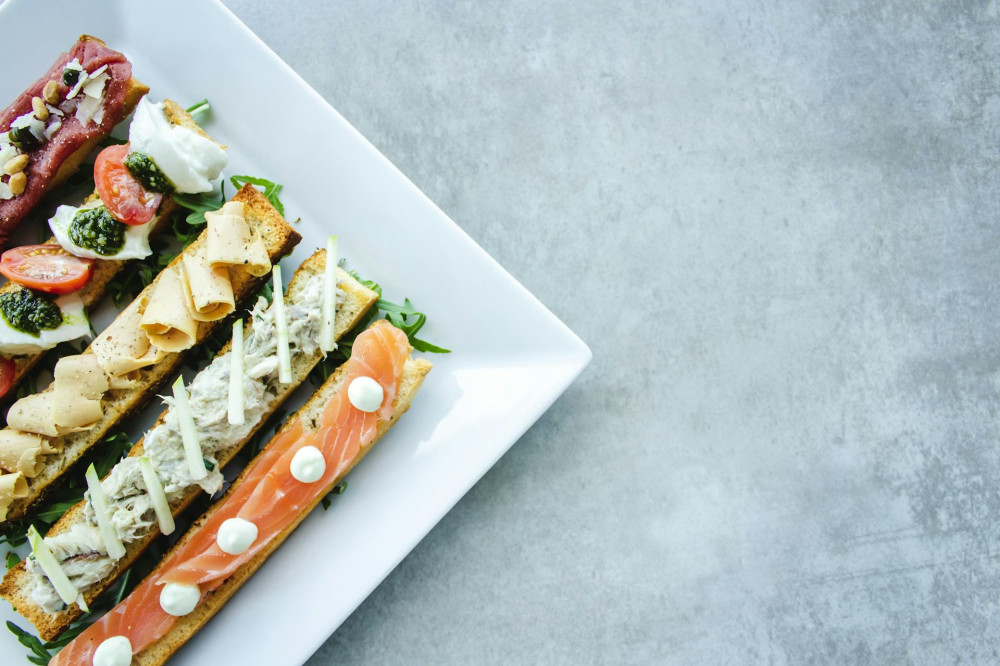
- Team sports (soccer, basketball, football): Combine carbs and easily digestible protein, such as a turkey sandwich or rice with chicken and vegetables. Avoid heavy or greasy foods that can cause discomfort during play.
If you train early in the morning, a small snack like a banana or an energy bar may be enough—just make sure you get something in your system.
During Your Workout – Keep Energy Levels Steady
During exercise, the main focus is hydration—and, for longer sessions, quick energy from carbohydrates.
- Short workouts (under 60 minutes): Water is usually all you need.
- Longer workouts (over 60–90 minutes): Your energy stores start to deplete, so you may benefit from a sports drink, energy gel, or piece of fruit. This is especially important for runners, cyclists, and triathletes.
- Team sports: In high-intensity games, a sports drink during halftime can help maintain energy and focus.
- Strength training: Hydration is key. If your session lasts more than 90 minutes, a small protein shake or carb drink can help sustain performance.
Remember, your fluid needs depend on temperature, intensity, and how much you sweat. Sip water regularly rather than gulping large amounts at once.
After Your Workout – Rebuild and Recover
After exercise, your body needs to replenish energy stores and repair muscle tissue. The best time to eat is within 30–60 minutes after your workout, when your muscles are most receptive to nutrients.
- Endurance sports: Focus on carbohydrates to restore glycogen—think rice, pasta, or whole-grain bread—paired with protein for muscle repair, such as fish, chicken, or beans.
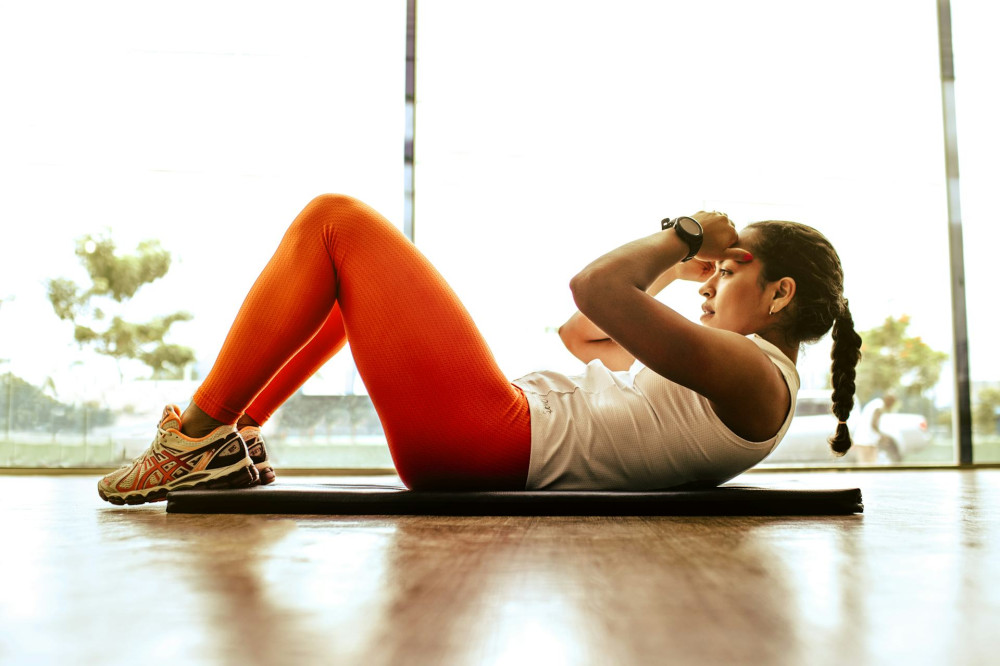
- Strength training: Protein is the priority. A smoothie with milk, berries, and protein powder or a meal with eggs and vegetables can jump-start recovery.
- Team sports: After a game or practice, it’s important to get fluids, carbs, and protein. A wrap with chicken or tuna and veggies is a great option.
Don’t forget hydration—drink water or an electrolyte beverage until your urine is light and clear again.
Læs også:

Adjust Your Diet to Match Your Training Load
Your nutritional needs change with your training volume. On rest days, you can scale back on carbs and focus on vegetables, protein, and healthy fats. On heavy training or competition days, increase your carb intake to ensure you have enough energy.
Listen to your body: fatigue, poor concentration, or lack of progress can be signs that you’re not eating enough—or not eating the right balance—for your activity level.
Small Changes, Big Results
You don’t need a strict meal plan to eat right. Often, it’s about small adjustments: eating a bit earlier, choosing more whole grains, drinking enough water, and remembering your recovery meal. Over time, these habits can make a noticeable difference in both performance and overall well-being.
No matter your sport, the best diet is the one you can stick with—one that gives you the energy to perform your best, both on the field and in everyday life.
Læs også: