Meal Planning and Family Life: How to Make It Work Day to Day

Meal Planning and Family Life: How to Make It Work Day to Day
Balancing meal planning with a busy family schedule can feel overwhelming. Between work, school, sports, and after‑school activities, finding time to plan and cook healthy meals often seems impossible. But with a bit of structure, teamwork, and flexibility, meal planning can actually make life easier—not harder. Here’s how to make it fit naturally into your family’s daily rhythm.
Start with Realistic Goals
A meal plan shouldn’t feel like a strict rulebook. Think of it as a tool to help your family eat more balanced meals and reduce stress around dinnertime. Start small and set achievable goals. Maybe that means planning dinners for three nights a week, adding a vegetable to every meal, or cutting back on takeout.
The key is to make the plan work for your lifestyle—not the other way around. If it’s too rigid, it can quickly become another source of stress instead of a helpful routine.
Get Everyone Involved
When everyone in the family has a say, it’s easier to stick with the plan. Sit down together and talk about what each person likes and what’s important to them. Maybe your kids want to help choose a “Taco Tuesday” recipe, or someone in the family has dietary needs that should be considered.
You can even create a meal board or weekly calendar in the kitchen. It gives everyone a clear overview and makes it easier for family members to pitch in with prep or cooking.
Læs også:



Plan and Prep Together
One of the biggest benefits of meal planning is eliminating the daily “What’s for dinner?” stress. Pick a consistent day—like Sunday afternoon—to plan the week’s meals and make a grocery list together. This helps you shop more efficiently and avoid last‑minute fast‑food runs.
Consider prepping some ingredients ahead of time. Cook a batch of rice, chop vegetables, or grill chicken that can be used in multiple meals. Having ready‑to‑go components saves time on busy weeknights and helps you stay on track.
Keep Healthy Food Simple and Accessible
Healthy eating doesn’t have to be complicated or expensive. Stock your pantry with staples like whole‑grain pasta, canned beans, frozen vegetables, and eggs. These basics make it easy to throw together a quick, nutritious meal.
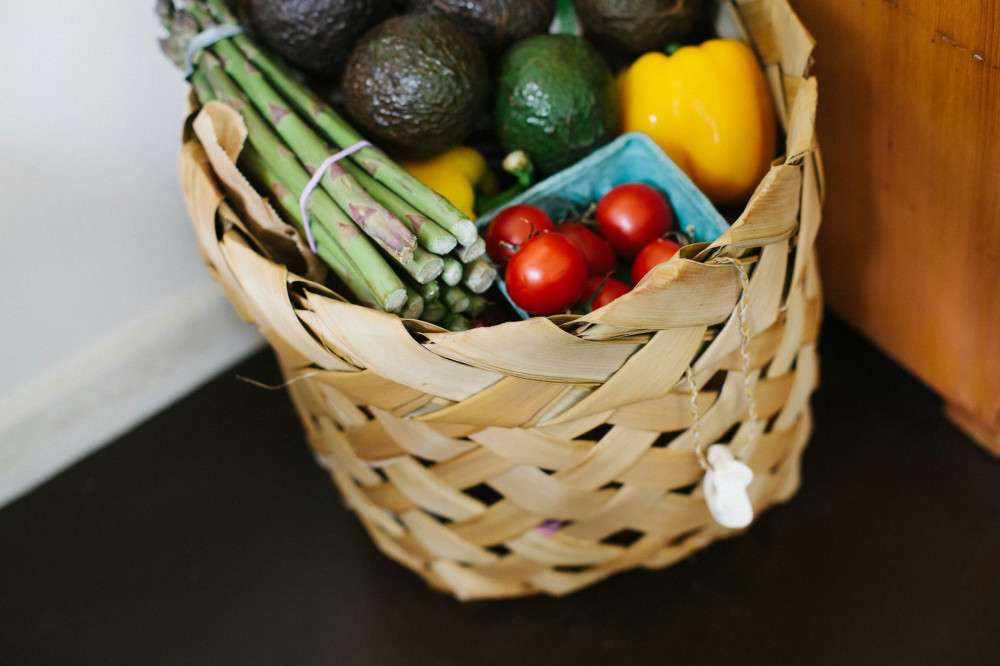
Make healthy choices the easy choices. Keep washed fruit in a bowl on the counter, pre‑cut veggies in the fridge, and nuts or yogurt cups ready for snacks. When good options are visible and convenient, the whole family is more likely to reach for them.
Stay Flexible
Even the best meal plan can be thrown off by a late meeting, a soccer game that runs long, or just a day when everyone’s tired. That’s okay. Flexibility is key to making meal planning sustainable.
Build in “backup” meals—quick options like breakfast for dinner, a frozen casserole, or a simple salad with rotisserie chicken. Allow for takeout nights or leftovers without guilt. The goal is progress, not perfection.
Make Mealtime a Family Moment
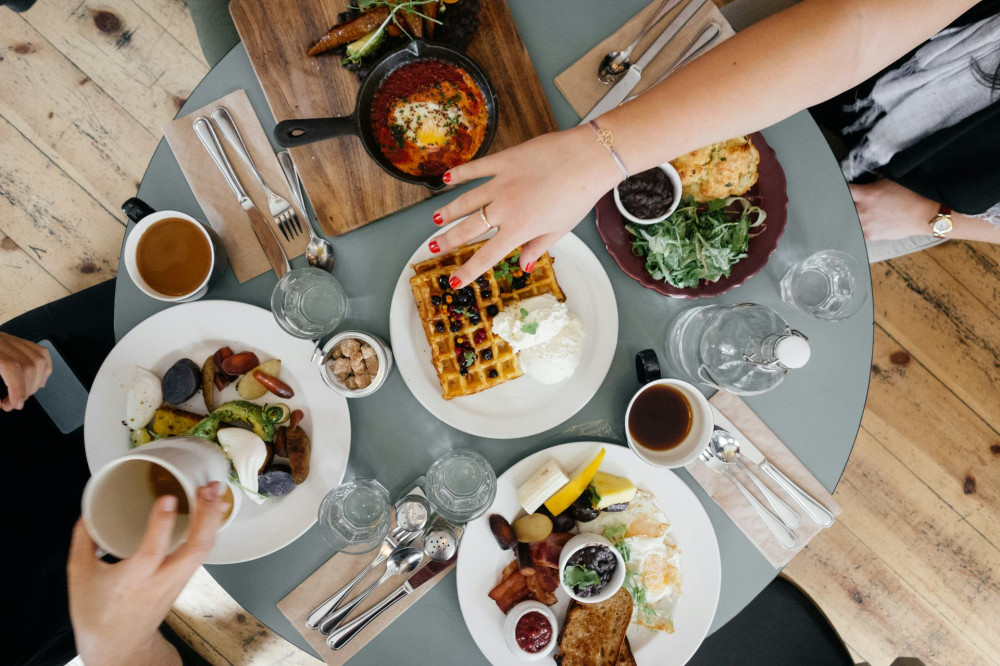
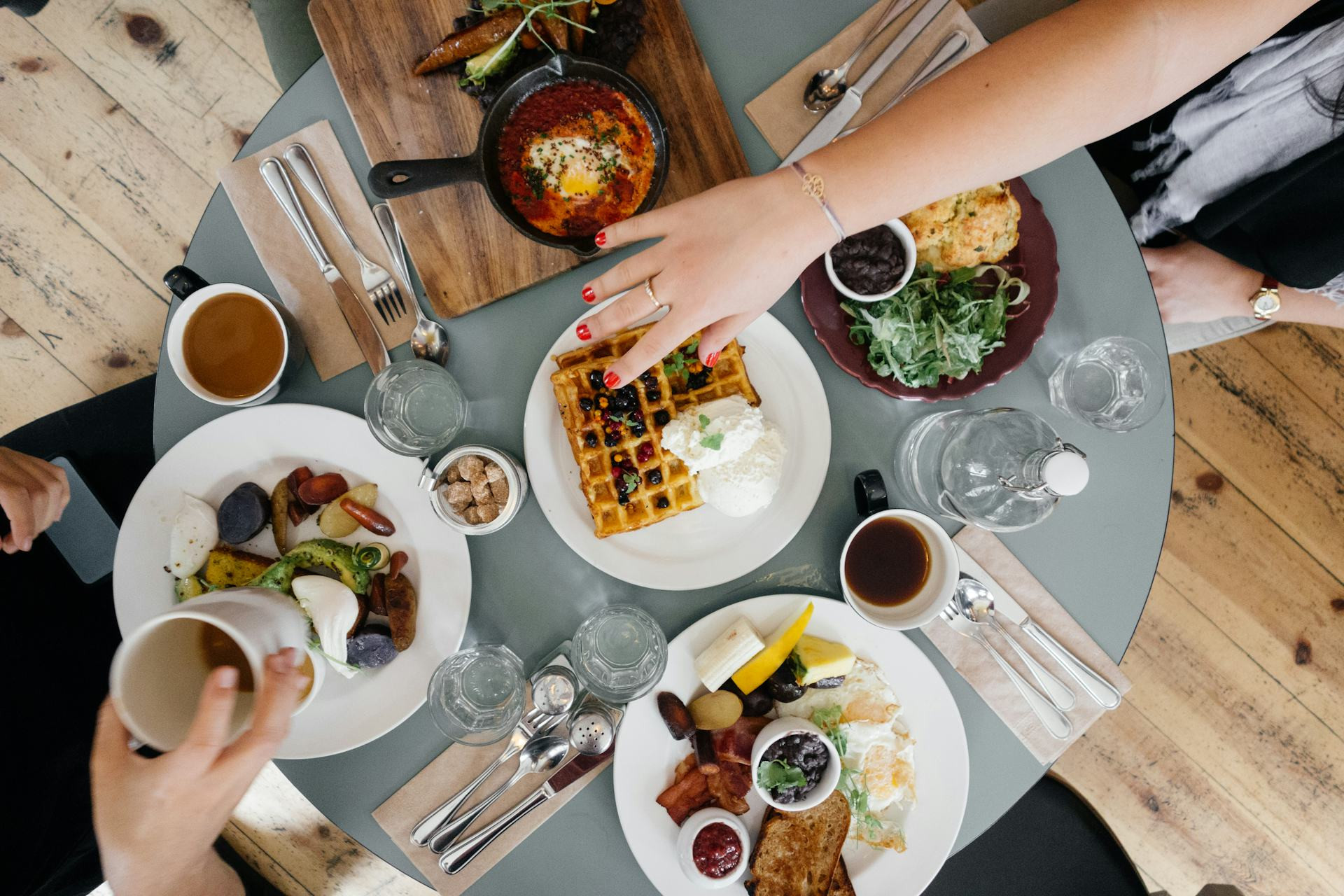
Meal planning isn’t just about what you eat—it’s also about how you eat together. Try to make family meals a time to connect. Turn off the TV, put away phones, and use the time to talk about your day. Shared meals strengthen family bonds and create positive associations with food.
When kids see that cooking and eating together is enjoyable, they’re more likely to take part—and that makes it easier to keep up healthy habits long‑term.
Small Steps, Big Results
Making meal planning work in family life isn’t about changing everything overnight. It’s about taking small, consistent steps that fit your family’s reality. With a bit of planning, teamwork, and flexibility, you can create a routine where healthy, home‑cooked meals become a natural—and enjoyable—part of everyday life.
Læs også: