Etiquette in Judo: Traditions, Respect, and Community on the Mat

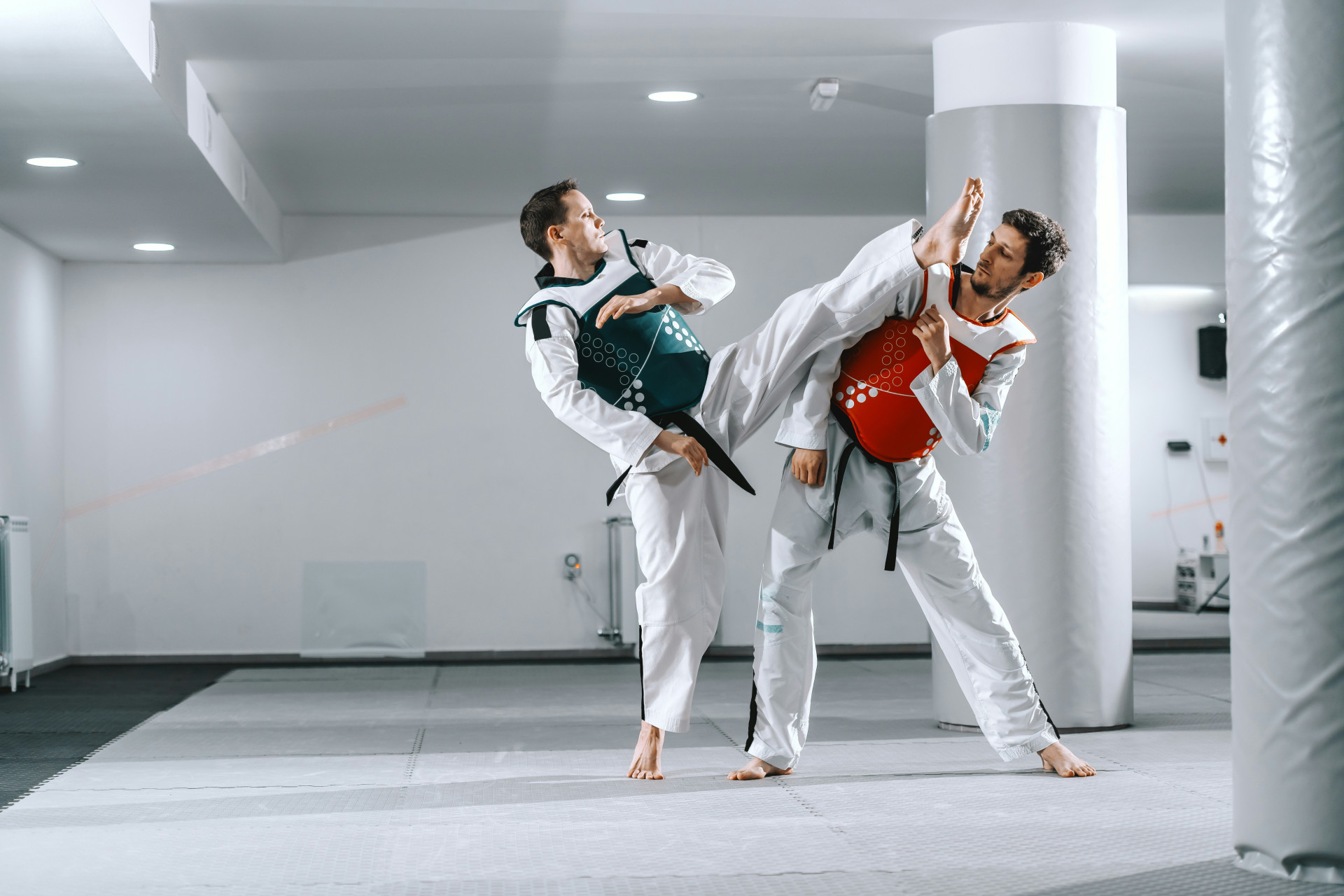
Etiquette in Judo: Traditions, Respect, and Community on the Mat
When you step onto a judo mat – the dojo – you enter a space where tradition, discipline, and respect come together. Judo is more than a sport; it’s a philosophy of life. Every bow, every movement, and every interaction reflects the values that define it: humility, cooperation, and mutual respect.
A Martial Art Rooted in Japanese Tradition
Judo was founded in Japan in the late 19th century by Jigoro Kano, who sought to modernize traditional jiu-jitsu techniques into a system that emphasized both physical and moral education. For Kano, judo was not just about strength or competition—it was about character development. He established two guiding principles that still shape the art today: maximum efficiency with minimum effort and mutual welfare and benefit.
These principles are woven into every aspect of judo practice. Etiquette is not a formality; it’s a way of expressing respect for the art, for one’s training partners, and for oneself.
Læs også:


The Bow – A Gesture of Respect
One of the most recognizable traditions in judo is the bow, or rei. Practitioners bow when entering and leaving the dojo, before and after class, and at the start and end of each practice round. The bow is a symbol of gratitude—for the opportunity to train, to learn, and to grow together.
When you bow, you acknowledge your partner not as an opponent to defeat, but as a collaborator in mutual improvement. It’s a reminder that judo is about shared progress, not personal victory.
Order and Discipline on the Mat
Judo etiquette also emphasizes order and cleanliness. The mat should be kept clean, the judogi (uniform) neat and properly tied, and punctuality is expected. These habits foster an atmosphere of focus and respect.
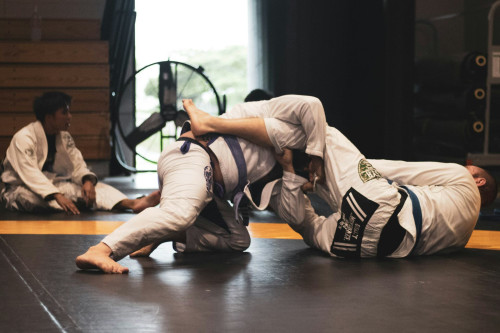
During practice, students are expected to listen carefully to the instructor, respond promptly to commands, and show consideration for their partners. If someone falls hard, you help them up. If you make a mistake, you apologize. These small gestures build a culture of trust and safety that allows everyone to learn and grow.
Hierarchy and Learning with Respect
Judo has a clear hierarchy, represented by the color of the belts. Higher ranks have the responsibility to guide and support lower ranks, while beginners show respect by listening and learning. This hierarchy is not about superiority—it’s about shared responsibility and mentorship.
A black belt is not necessarily “better” as a person, but has more experience to share. This structure encourages humility and continuous learning, reminding everyone that progress in judo is a lifelong journey.
Community and Cooperation
Although judo is often seen as an individual sport, it thrives on community. You cannot practice judo alone—you need a partner to train with, to challenge you, and to help you improve. Trust and cooperation are essential.
When practicing throws, falls, and techniques, each partner relies on the other for safety. This interdependence creates a strong sense of camaraderie and mutual care that extends beyond the mat.
Etiquette as a Way of Life
For many judoka, etiquette doesn’t end when class is over. The values learned on the mat—respect, patience, self-control, and empathy—carry into everyday life. Bowing, listening, showing courtesy, and taking responsibility are universal virtues that make judo more than a martial art; they make it a guide for living well.
A Tradition That Connects Generations
Judo etiquette is a living tradition that connects practitioners across generations and cultures. Whether you train in New York, Los Angeles, or Tokyo, the same rituals and values are shared. This common understanding creates a global community bound by respect and cooperation.
In a world that often celebrates competition above all else, judo reminds us that true strength lies in respect—for others, for tradition, and for the journey of self-improvement.
Læs også: