Kung Fu as a Way of Life: When Martial Arts Unite with Meditation and Body Control

Kung Fu as a Way of Life: When Martial Arts Unite with Meditation and Body Control
For many, kung fu is far more than a martial art—it is a philosophy of life. It blends physical discipline with mental stillness and spiritual awareness. In a culture where daily life often moves at high speed and stress is a common companion, kung fu offers a path toward balance, focus, and self-understanding. But what does it truly mean to live according to the principles of kung fu, and how can those principles be integrated into modern American life?
A Tradition with Deep Roots
Kung fu originated in China and encompasses a wide range of fighting styles developed over centuries in temples, villages, and family lineages. The most famous connection is to the Shaolin Temple, where monks combined rigorous physical training with Buddhist meditation. For them, martial practice was not merely a means of self-defense but a way to cultivate awareness and harmony between body and mind.
Today, kung fu is practiced around the world—as a sport, an art form, and a spiritual discipline. Regardless of the form it takes, its essence lies in uniting body, mind, and spirit into a single, balanced whole.
Body Control as a Path to Inner Calm
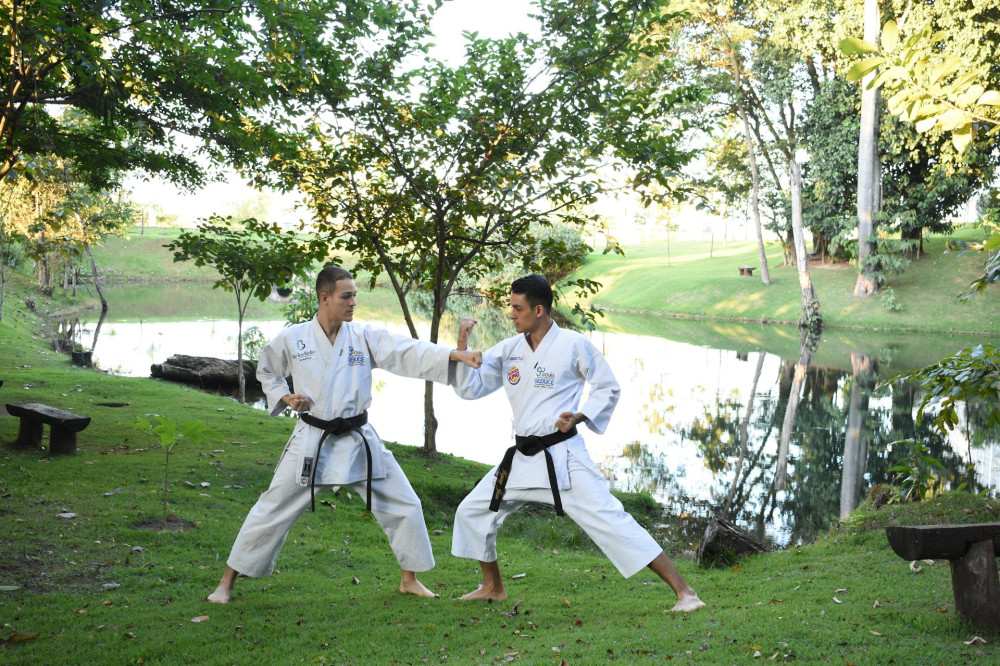
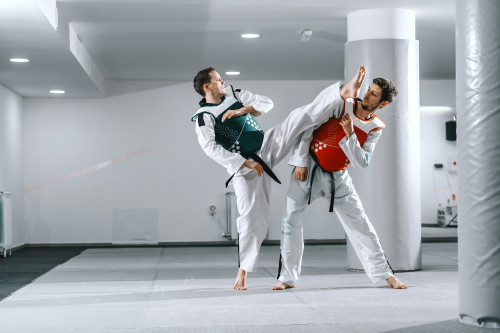
One of the defining features of kung fu is its precise control of movement. Every motion is performed with attention to balance, breathing, and energy flow. Training strengthens muscles, joints, and coordination, but it also sharpens concentration. When the body moves in rhythm with the breath, a kind of moving meditation emerges.
Many practitioners describe how repeating techniques and forms—known as taolu—creates a sense of calm similar to that found in seated meditation. In these moments, thoughts quiet down, and awareness settles fully in the present.
Meditation as an Integral Practice
In kung fu, meditation is not a separate activity but an inseparable part of training. It teaches that true strength arises not only from physical power but from mental clarity. Through meditation, practitioners learn to observe their reactions, regulate their breathing, and maintain composure—even under pressure.
This mental discipline is essential not only in combat but in everyday life. When faced with challenges, the ability to remain calm and act with intention can be the greatest strength of all.
A Moral and Philosophical Foundation
Kung fu rests on values such as respect, humility, patience, and self-control. Many schools emphasize that martial skills should never be used to harm unnecessarily but to protect and restore balance. The true master of kung fu seeks harmony, not conflict.
These principles extend beyond the training hall. Living by the philosophy of kung fu means acting with mindfulness, taking responsibility for one’s actions, and striving for continuous self-improvement—physically, mentally, and ethically.
Kung Fu in Modern American Life
Few people today live as monks in a temple, yet kung fu can still serve as a guiding path in modern society. Across the United States, practitioners find that training provides structure, strength, and a mental refuge from the demands of daily life. It offers a way to reconnect with the body and cultivate focus in a world full of distractions.
You don’t need to train for hours each day to experience its benefits. Even short sessions that emphasize breathing, balance, and mindful movement can bring calm and renewed energy. For many, kung fu becomes a form of life meditation—a way to move through the world with awareness and purpose.
Læs også:

A Way of Life, Not Just a Sport
To see kung fu as a way of life is to view training as more than physical exercise or self-defense. It is a lifelong journey of personal growth—finding balance between strength and gentleness, between action and stillness. Those who follow this path discover that the true practice of kung fu extends far beyond the training floor and into every aspect of daily living.
Kung fu teaches that real power comes from within, and that the greatest victory is the one we achieve over ourselves.
Læs også: