Overtraining or Just Tired? Learn to Tell the Difference and Adjust Your Workout

Overtraining or Just Tired? Learn to Tell the Difference and Adjust Your Workout
Feeling tired after a workout is completely normal — it’s your body’s way of saying it’s been challenged. But when does fatigue signal healthy progress, and when is it a warning that you’re pushing too hard? Overtraining can affect everyone from competitive athletes to weekend gym-goers, leading to stalled progress, injuries, and burnout. Here’s how to recognize the difference — and how to adjust your training before your body forces you to stop.
What Is Overtraining?
Overtraining happens when your body doesn’t get enough time to recover between workouts. It’s an imbalance between stress and recovery, where your muscles, nervous system, and hormones can’t fully bounce back. The result? Your performance drops even though you’re training more.
Common signs of overtraining include:
- Persistent fatigue or heaviness in your body
- Declining performance despite increased effort
- Trouble sleeping or restlessness
- Elevated resting heart rate
- Irritability, lack of motivation, or mood swings
- Frequent minor injuries or soreness that won’t go away
If you notice several of these symptoms lasting for weeks, it’s a clear sign your body needs a break.
Normal Fatigue — Your Body’s Natural Response
After a tough workout, it’s normal to feel sore and drained. Your muscles have been broken down, and your energy stores depleted. Recovery is when your body rebuilds and gets stronger — but only if you give it the time and fuel it needs.
A few days of tiredness after an intense training block isn’t a problem. It becomes one when fatigue lingers and progress stalls. A good rule of thumb: after a couple of days of rest, you should feel refreshed and stronger — not more exhausted.
Læs også:



Listen to Your Body’s Signals
Your body often gives early warnings before overtraining sets in. The key is to pay attention and respond before it becomes serious. Ask yourself:
- Have I been sleeping well lately?
- Does training feel like a chore instead of something I enjoy?
- Have I had more aches or minor injuries than usual?
- Has my appetite or mood changed?
If you answer “yes” to several of these, it’s time to ease up. That doesn’t mean quitting altogether — just adjusting the intensity, duration, or frequency of your workouts.
Adjust Your Training — and Find Balance
Avoiding overtraining isn’t just about doing less; it’s about training smarter. Here are some simple strategies:
- Plan recovery as part of your training. Rest days aren’t wasted time — they’re when progress happens.
- Vary intensity. Alternate hard and easy days so your body can adapt.
- Prioritize sleep. Quality sleep is the most powerful recovery tool you have.
- Fuel properly. Eat enough protein, carbs, and fluids — especially after workouts.
- Monitor motivation. A sudden loss of enthusiasm can be a sign you need a mental break.
Many athletes find that a week of lighter training or full rest can make a huge difference. When you return, you’ll often feel stronger, faster, and more focused.
Overtraining in Combat Sports — A Unique Challenge
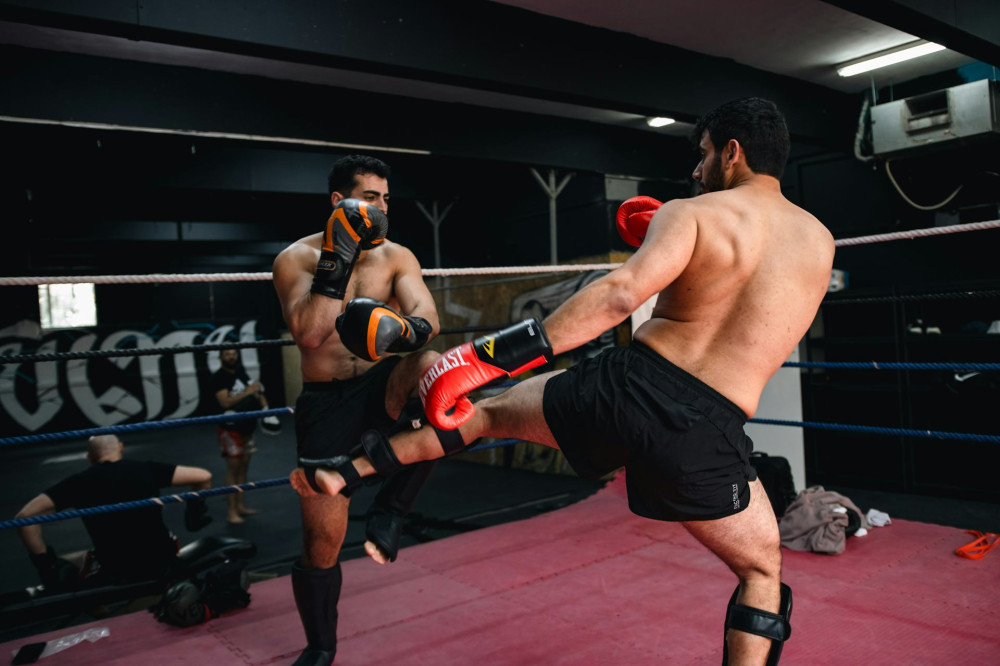
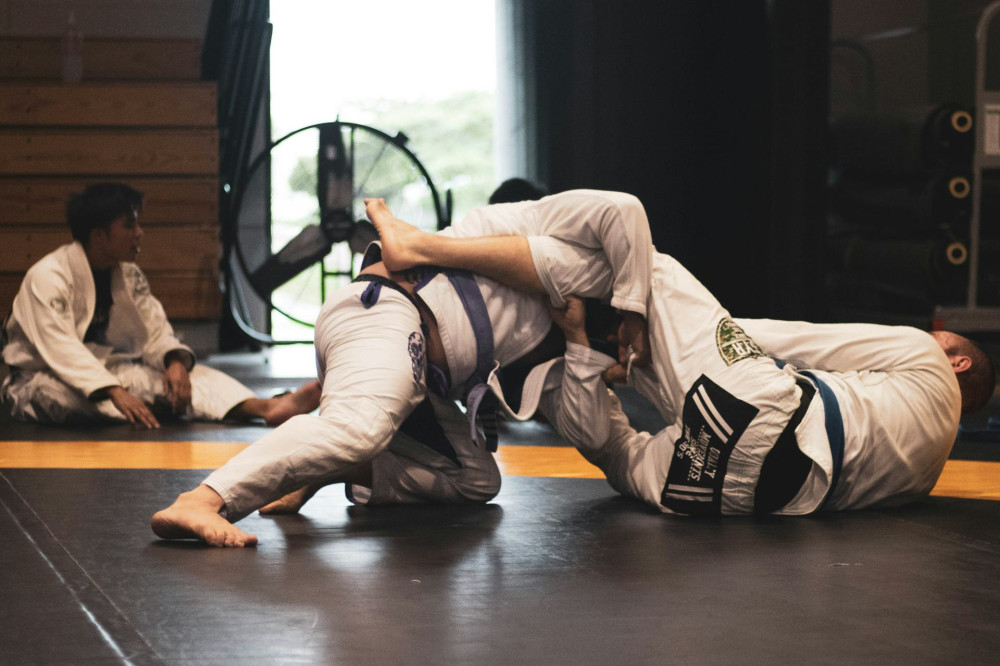
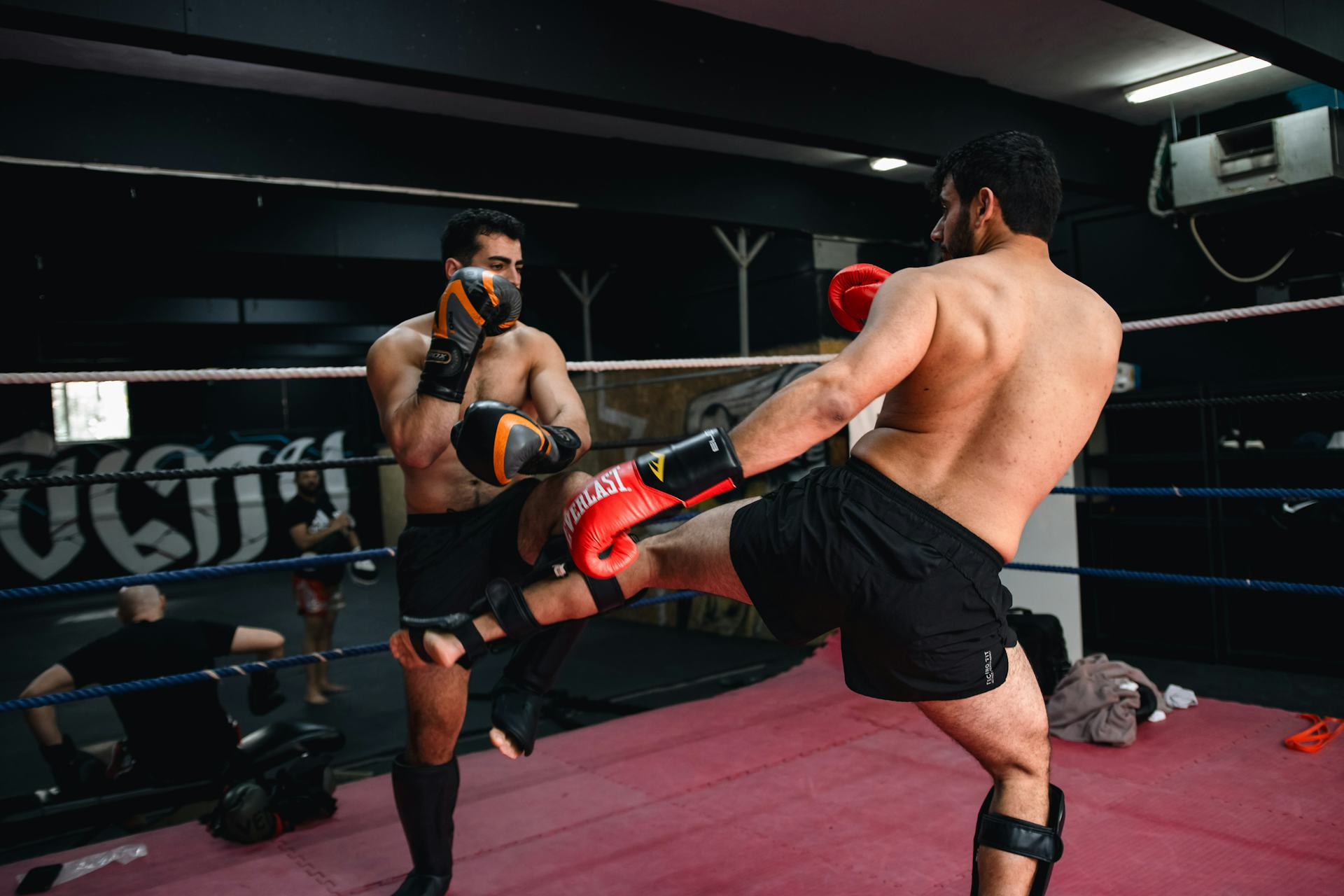
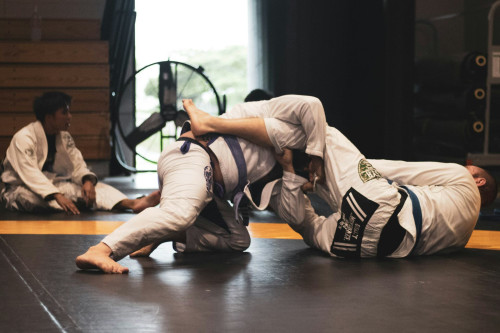
In combat sports like boxing, MMA, or jiu-jitsu, the risk of overtraining is especially high. These disciplines combine strength, endurance, and technical skill — all of which tax the body and nervous system. Many fighters push themselves relentlessly to improve reaction time and conditioning but forget that recovery is part of performance.
If your movements start feeling sloppy or your focus fades during sparring, it might be mental fatigue. Try shifting your focus for a while — work on technique at a slower pace, or emphasize mobility and light strength training.
How to Recover from Overtraining
If you’re already dealing with overtraining, recovery takes patience. Start by cutting back your training volume significantly — sometimes down to light activity like walking, yoga, or swimming. Give your body time to restore energy and balance, and only return to intense training once you feel genuinely refreshed.
The key is to learn from the experience. Overtraining isn’t a sign of weakness — it’s a sign of dedication that needs better direction. By understanding your body’s signals, you can train more effectively and sustainably in the future.
Find Your Rhythm — and Train with Energy
The best workout routine is one you can maintain long-term. That means finding a rhythm where you challenge yourself but also take care of your body. Remember, progress isn’t just about training harder — it’s about training smarter.
When you learn to tell the difference between healthy fatigue and overtraining, you’ll not only see better results but also enjoy your workouts more — building a stronger, more resilient foundation for the years ahead.
Læs også: