Learn the Basic Boxing Techniques Step by Step

Learn the Basic Boxing Techniques Step by Step
Boxing is one of the most complete forms of exercise you can do. It builds strength, endurance, coordination, and mental focus—all at once. Whether you’re training for fitness or competition, learning the fundamentals correctly from the start is key to improving safely and effectively. Here’s a step-by-step guide to the essential boxing techniques, from stance and footwork to punches and defense.
Find Your Boxing Stance
Everything in boxing starts with the right stance—your foundation for balance, movement, and power.
- Stand with your feet shoulder-width apart. If you’re right-handed, place your left foot forward (orthodox stance). If you’re left-handed, switch it (southpaw stance).
- Bend your knees slightly. This keeps you stable and ready to move.
- Stay light on your toes. Avoid standing flat-footed; you should be able to move quickly in any direction.
- Keep your hands up. Your lead hand (the jab hand) should be near your cheek, and your rear hand close to your chin.
- Tuck your chin and look forward. Keep your eyes on your opponent without lifting your head.
A good stance should feel natural and relaxed. You should be able to move freely without losing balance.
Move with Control – The Importance of Footwork
Footwork is the key to both offense and defense. It allows you to control distance, create angles, and stay balanced.
- Forward and backward: When stepping forward, push off your back foot and land with your front foot first. When stepping back, push off your front foot and land with your back foot.
- Side steps: Move in the direction you want to go by stepping first with the foot on that side—right foot to go right, left foot to go left.
- Maintain your stance: Keep your feet the same distance apart as you move. Don’t cross your legs.
Start slow. Precision is more important than speed. Once your movements are smooth and controlled, you can increase your pace.
Learn the Four Basic Punches
There are many punches in boxing, but four form the foundation of everything else: jab, cross, hook, and uppercut.
- Jab (lead hand): A quick, straight punch used to measure distance, disrupt your opponent, and set up combinations.
- Cross (rear hand): A powerful straight punch that follows the jab. Rotate your hips and shoulders to generate force.
- Hook: A curved punch that comes from the side, targeting the jaw or body. Keep your elbow bent at 90 degrees and pivot your body.
- Uppercut: An upward punch aimed under the chin. Use your legs and hips to drive the motion—don’t rely only on your arm.
Practice each punch individually in front of a mirror or on a heavy bag. Focus on form and accuracy before adding power. Once you’re comfortable, start combining them.
Combine Punches – Rhythm and Timing
When you’ve mastered the basic punches, it’s time to link them together. A classic beginner combination is jab–cross–hook. It helps you develop rhythm, balance, and timing.
- Start with a quick jab to open your opponent’s guard.
- Follow with a strong cross.
- Finish with a hook as you rotate your body.
Keep your hands up between punches and stay light on your feet. Combinations should flow naturally—like a rhythm, not a series of separate moves.
Defense: Slip, Duck, and Block
Good defense is just as important as offense. In boxing, defense isn’t only about avoiding punches—it’s about staying in position to counter.
- Slip: Move your head slightly to the side to avoid a straight punch.
- Duck: Bend your knees and lower your body under a hook.
- Block: Use your gloves and forearms to absorb or deflect punches.
Practice defensive moves with a partner or in front of a mirror. Focus on small, controlled movements and timing rather than big, exaggerated motions.
Læs også:

Build Strength and Endurance
Boxing demands both explosive power and high endurance. You can improve both with targeted training:
- Jump rope: Builds coordination, footwork, and cardiovascular fitness.
- Shadowboxing: Improves technique, rhythm, and movement without a partner.
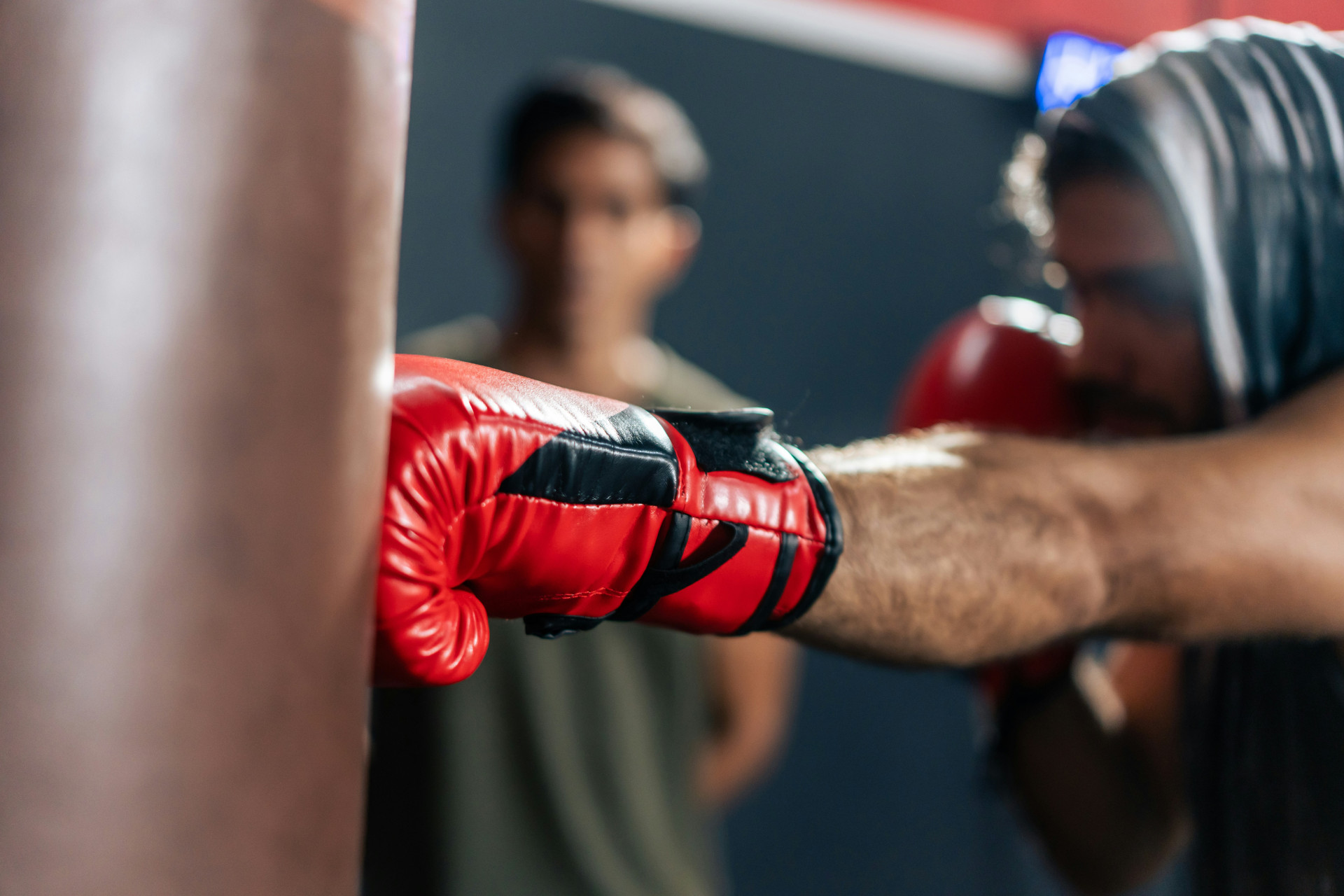
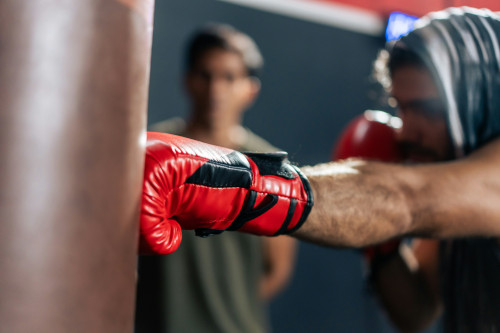
- Heavy bag: Develops power, timing, and stamina.
- Core training: Strong abs and hips improve balance and punching power.
Train consistently, but remember to rest. Your body and technique improve most when you allow time for recovery.
Mental Strength and Focus
Boxing is as much a mental challenge as a physical one. You need to stay calm and focused, even when your heart rate is high. Practice breathing control, stay relaxed, and think strategically. Many boxers use visualization—imagining movements and scenarios—to sharpen their mental game.
Getting Started
If you’re new to boxing, consider joining a local boxing gym or beginner class. You’ll get professional instruction, a safe environment, and the motivation of training with others. You don’t need to compete to enjoy boxing—many people practice it purely for fitness and fun.
With patience, consistent training, and attention to technique, you’ll quickly see progress—both physically and mentally. Boxing isn’t just about throwing punches; it’s about moving, thinking, and reacting with precision and confidence.
Læs også: