Balance in the Rhythmic Life: Riding, Recovery, and Cross-Training

Balance in the Rhythmic Life: Riding, Recovery, and Cross-Training
Riding is a sport that demands strength, flexibility, and mental focus. For many equestrians, days quickly fill up with lessons, barn chores, and competitions—but without the right balance, both body and mind can become overworked. Finding harmony between riding, recovery, and cross-training is essential for performance, well-being, and the partnership between rider and horse.
The Body as a Tool—and a Responsibility
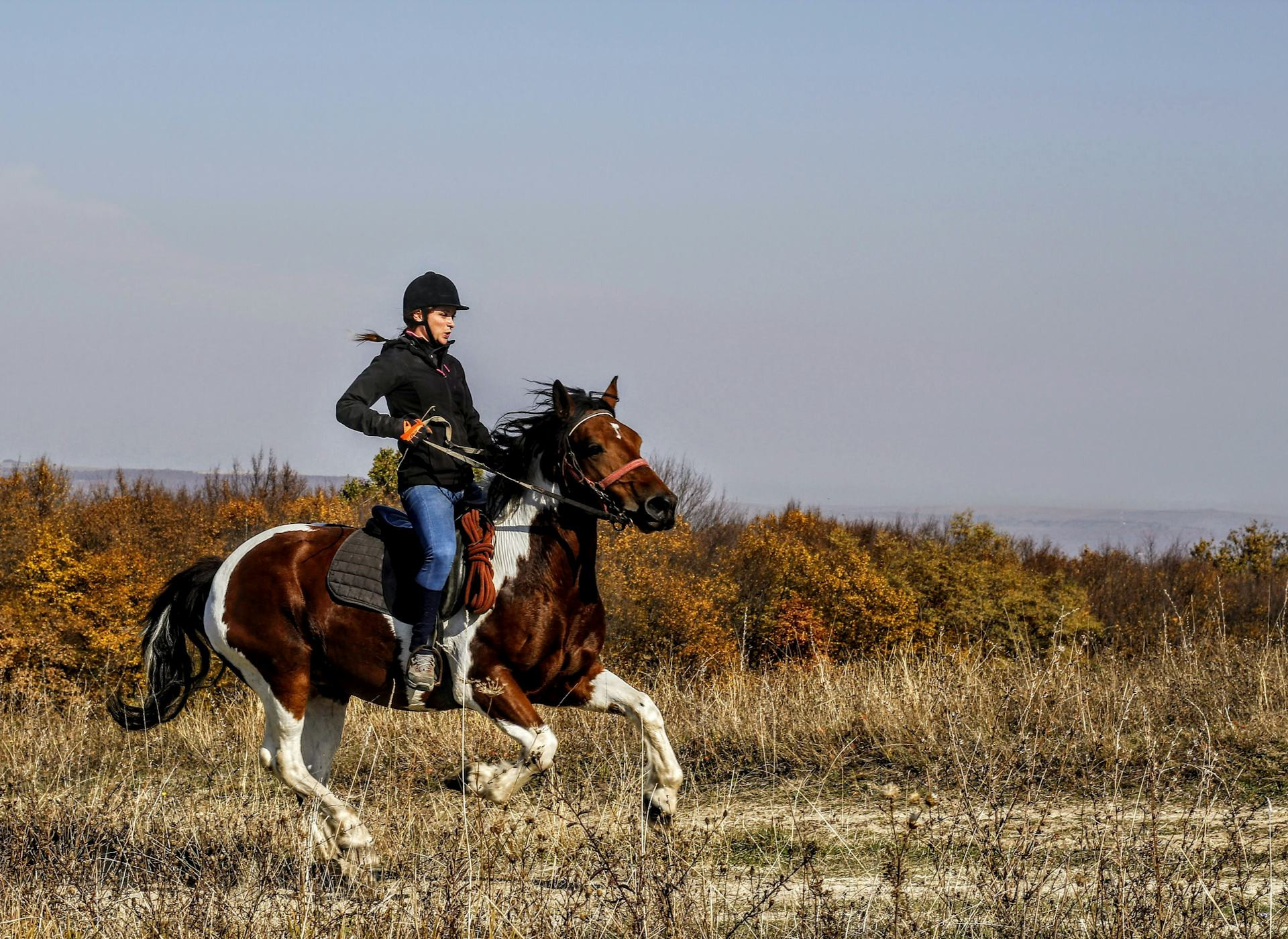
As a rider, your body is your most important piece of equipment. It must move fluidly with the horse, deliver precise cues, and maintain calm and balance. Many riders underestimate how physically demanding riding truly is. A strong, supple body makes it easier to ride correctly and helps prevent injuries—for both horse and rider.
This isn’t about building bulk; it’s about developing functional strength that supports your riding. Core stability, hip mobility, and leg strength are key, but upper-body control and breathing also play a major role in how effectively you communicate with your horse.
Recovery—the Overlooked Part of Training
In a busy equestrian schedule, it’s tempting to ride every day. But the body needs rest to adapt and improve. Recovery isn’t just about taking a break—it’s about giving your muscles, joints, and mind time to rebuild. Sleep, nutrition, and mental downtime are just as important as time in the saddle.
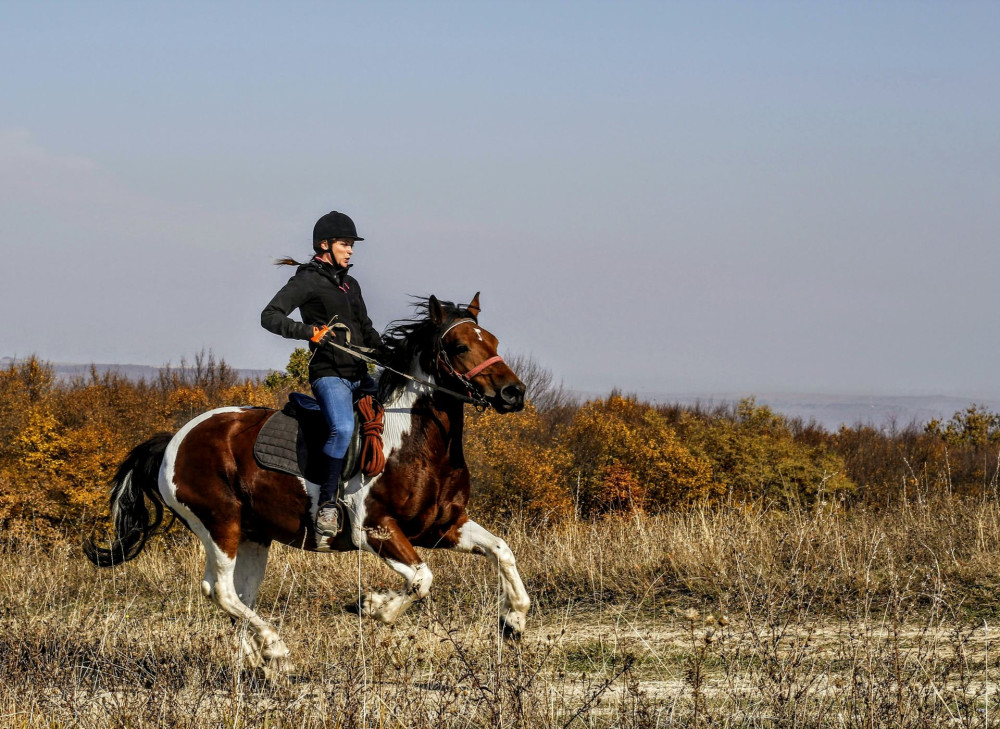
A good rule of thumb is to plan your week with variety and rest in mind. Alternate between flatwork, trail rides, pole work, and a day off. This keeps both horse and rider fresh and motivated. Many riders notice they ride better after a rest day—their body feels more responsive, and their mind is clearer. Recovery, in other words, is not wasted time; it’s an investment in quality.
Cross-Training—Strength, Flexibility, and Body Awareness
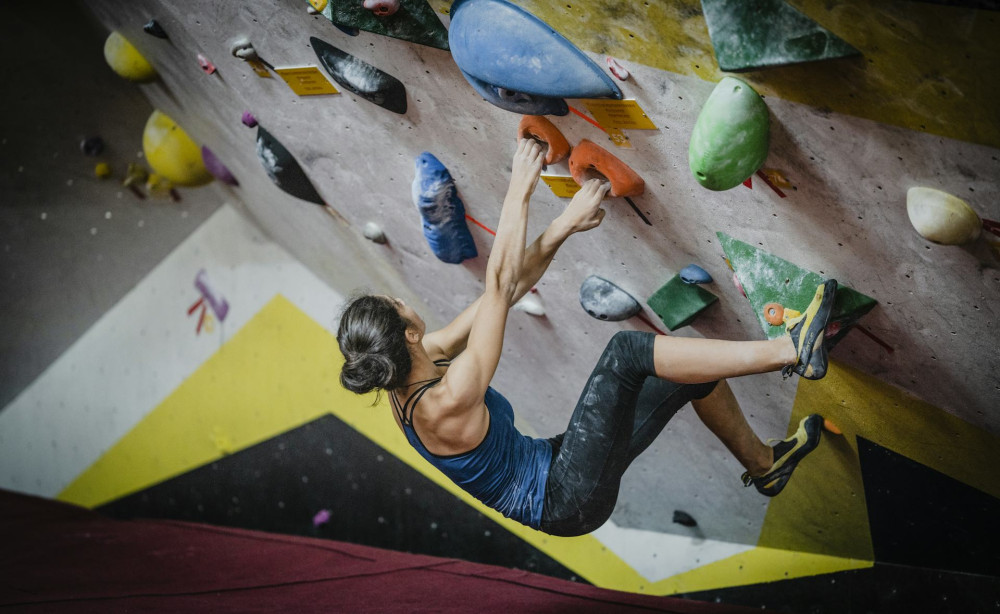
Cross-training can be the key to becoming a more balanced and capable rider. It’s about strengthening the muscles and movement patterns that support riding while improving overall body awareness.
- Strength training builds stability and endurance. Focus on functional exercises like planks, squats, and lunges that mirror the demands of riding.
- Yoga or Pilates enhance flexibility, balance, and breathing—skills that translate directly to better posture and control in the saddle.
- Cardio training such as cycling, swimming, or running improves stamina and focus, helping you stay sharp during long rides or show days.
The best cross-training routine is one you enjoy and can maintain. It should feel like a complement to your riding, not an extra burden.
Læs også:

Mental Balance—Finding Calm in the Rhythm
Riding is as much a mental discipline as a physical one. A stressed or distracted rider can easily pass that tension to the horse. That’s why mental balance is just as important as physical conditioning. Simple practices like mindful breathing, short walks, or quiet moments in the barn can help you reset and reconnect.
Riding with presence begins with living with presence. When you learn to listen to your own body and emotions, you become more attuned to your horse—and that’s where true partnership begins.
Creating Your Own Rhythm
There’s no single formula for the perfect training plan. Some riders thrive on structure; others need flexibility. The key is to find a rhythm that fits you and your horse—one that allows for both progress and rest.
Look at your week as a whole: Where can you build in recovery? When do you feel most energetic? How can you use that awareness to create a more sustainable riding routine?
When you find the balance between riding, recovery, and cross-training, you don’t just become a stronger athlete—you become a more centered, harmonious partner for your horse.
Læs også: