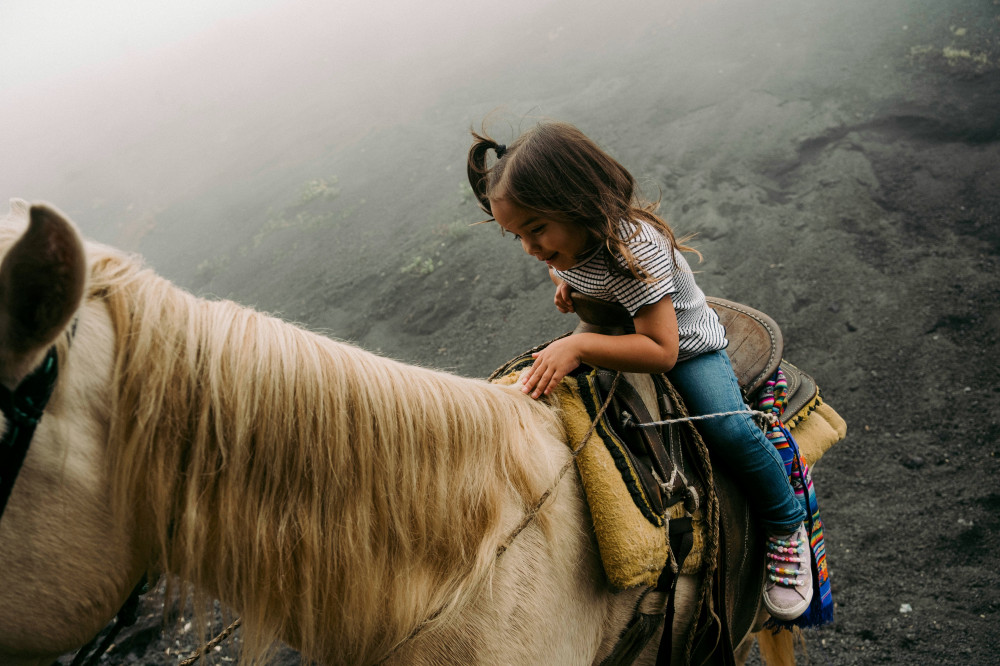
Help the Nervous Horse with Calmness, Patience, and Trust

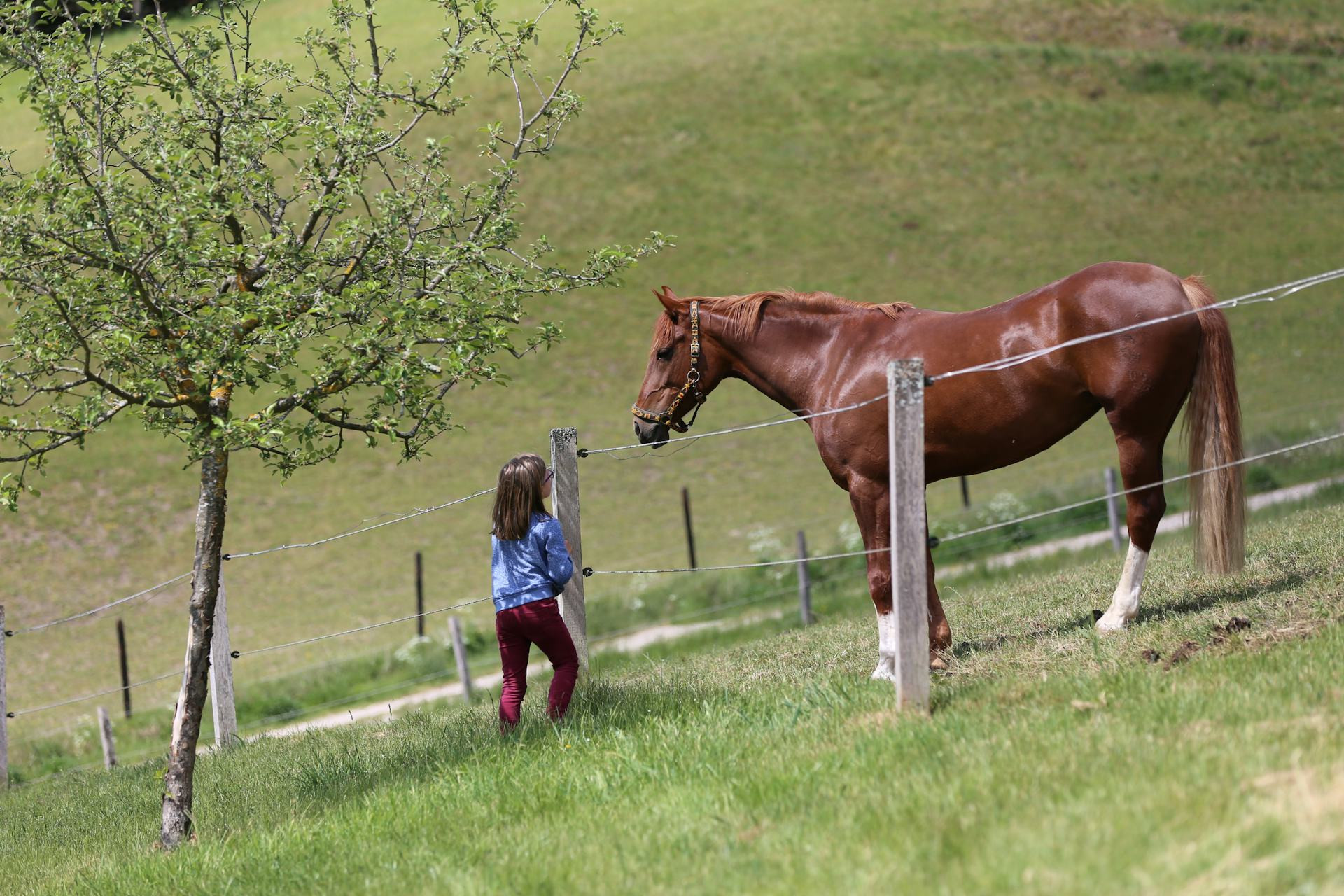
Help the Nervous Horse with Calmness, Patience, and Trust
A nervous horse can be a challenge—for both the rider and the horse itself. Anxiety often shows up as tension, spooking, or lack of focus, making even simple tasks difficult. But with calmness, patience, and trust, you can help your horse find confidence and balance. It takes time, consistency, and an understanding of how horses think and react.
Understand the Horse’s Nature
Horses are prey animals. Their instinct tells them that the safest response to something unfamiliar is to flee. A nervous horse isn’t being “difficult” on purpose—it’s reacting out of fear. When you see the behavior through that lens, it becomes easier to respond with empathy instead of frustration.
Pay attention to what triggers your horse’s anxiety. Is it certain sounds, movements, places, or situations? The better you understand your horse’s reactions, the better you can help it handle them.
Create Security Through Routine
For a nervous horse, predictability is key. Routine builds confidence because the horse learns what to expect. Keep feeding, turnout, and training times consistent. Avoid sudden changes, and introduce new experiences gradually.
When you work with your horse, start with exercises it already knows and build slowly from there. Repetition creates familiarity, and familiarity creates calmness. This applies in the barn, in the pasture, and under saddle.
Your Calmness Matters
Horses mirror our emotions. If you’re tense, impatient, or nervous, your horse will sense it immediately. That’s why it’s so important to stay calm yourself—even when your horse reacts unexpectedly.
Breathe deeply, speak softly, and move slowly. Avoid raising your voice or using harsh cues. A steady, composed demeanor tells your horse that there’s no danger. Over time, your horse will begin to trust that you have the situation under control.
Patience Is the Key
Working with a nervous horse requires patience. Progress rarely happens overnight. You may need to take small steps—and sometimes even step back before moving forward again.
Reward your horse for even the smallest signs of progress. A relaxed breath, a lowered head, or a few steps toward something it once feared are all signs of growing trust. By acknowledging these moments, you build your horse’s confidence and willingness to cooperate.
Train in Small, Positive Sessions
Short, calm training sessions are better than long, intense ones. A nervous horse can become mentally overwhelmed quickly, and too much pressure can increase anxiety. Always end on a positive note—when your horse has done something right—so it associates training with a good experience.
Groundwork can be especially helpful. Exercises like walking quietly beside you, stopping, backing up, and moving away from light pressure strengthen communication and trust. When your horse learns to listen to you on the ground, it becomes easier for it to trust you in the saddle.
Læs også:

Trust Takes Time—but Lasts a Lifetime
Trust can’t be demanded; it must be earned. It grows through consistent, kind, and fair handling. Your horse needs to know that you’re predictable and that you’ll never push it beyond what it can handle.
Once trust is established, it becomes the foundation for everything else. A horse that trusts its rider will be braver, more cooperative, and more relaxed—both in training and in everyday life.
Small Steps Toward a Calmer Partnership
Helping a nervous horse isn’t about eliminating fear completely—it’s about teaching the horse how to manage it. With calmness, patience, and trust, you can build a relationship where your horse feels safe with you and learns to face challenges with confidence.
It’s a process that takes time, but the reward is worth it: a horse that feels secure and a partnership built on mutual respect and understanding.
Læs også: