Riding with the Seasons: How to Adjust Your Riding Routes

Riding with the Seasons: How to Adjust Your Riding Routes
Riding outdoors is an experience that changes with the seasons. Each time of year brings its own challenges and rewards—from the fresh green trails of spring to the crisp, snowy landscapes of winter. For riders who want to make the most of every month in the saddle, it’s all about adjusting routes, gear, and pace to match nature’s rhythm. Here’s how you can ride with the seasons and create great experiences for both you and your horse.
Spring: Rebuilding Strength and Exploring New Trails
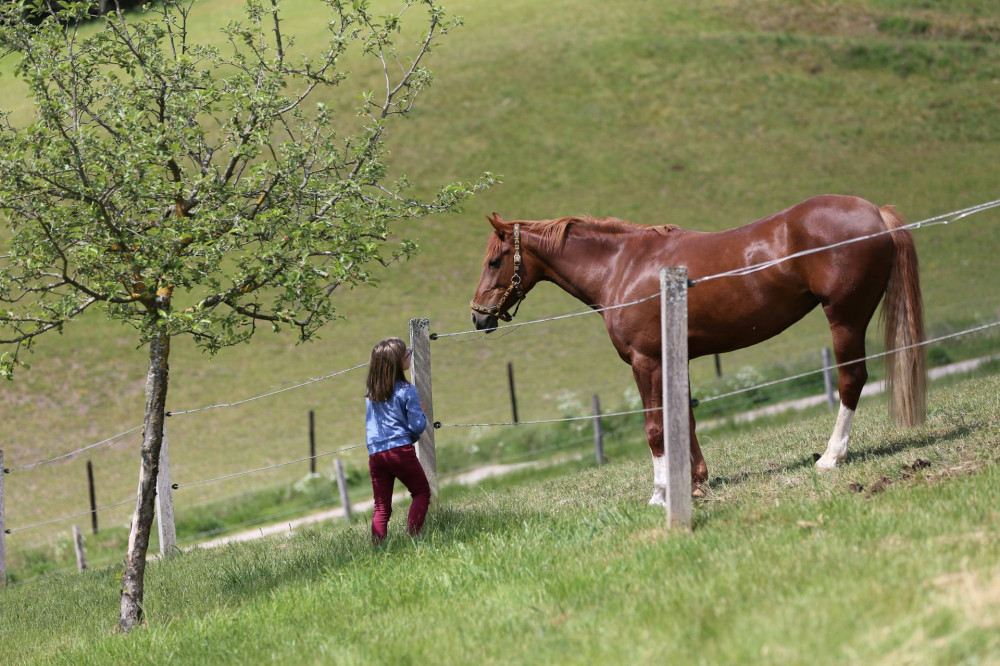
After a long winter, spring is the season of renewal—for both horse and rider. It’s time to rebuild fitness gradually and enjoy the first signs of life returning to the landscape. But early spring can also mean muddy trails and unpredictable weather.
- Choose firm footing at first—gravel roads, well-drained trails, or maintained bridle paths are best.
- Vary your workouts with a mix of walk, trot, and short canters to strengthen your horse’s muscles.
- Watch the weather, as spring showers can quickly turn fields and forest paths slick.
Spring is also a great time to explore new routes. Many riders find that both they and their horses are energized by the longer days and warmer sun.
Summer: Long Rides and Heat Awareness
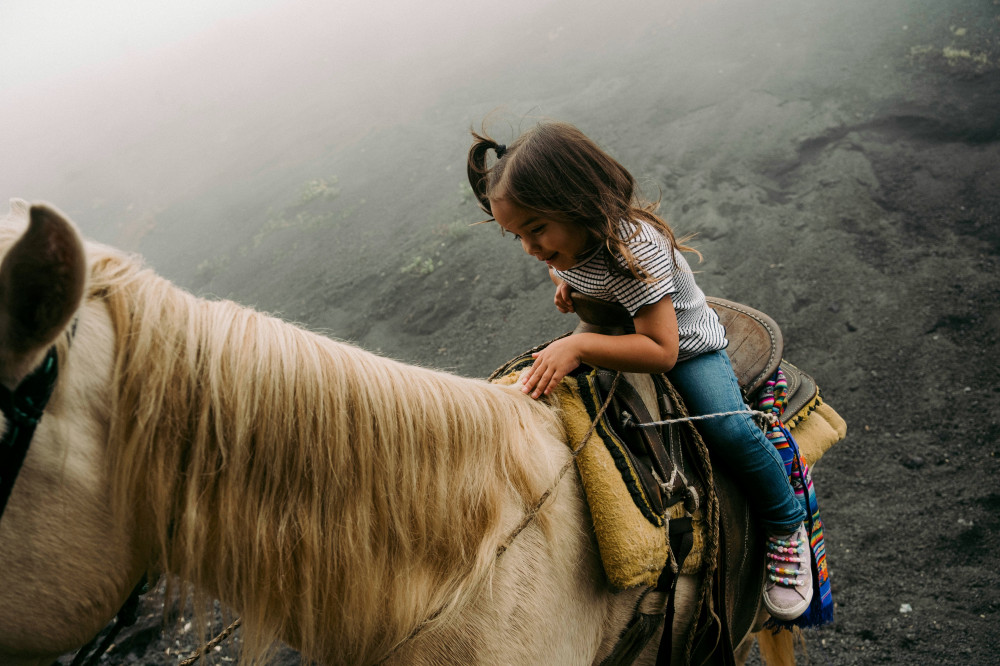
Summer is prime riding season across much of the U.S. With long daylight hours and dry trails, it’s the perfect time for extended rides, camping trips, or beach rides where permitted. But heat and insects can make summer riding demanding.
- Ride early or late in the day to avoid the midday heat.
- Stay hydrated—bring water for both you and your horse, and plan routes with access to shade or streams.
- Use fly protection, such as fly masks, sprays, or lightweight fly sheets.
Summer is ideal for adventure—trailering to a state park, joining a local trail ride, or exploring new terrain. Just remember to check local regulations, as some parks and beaches have specific hours or permits for equestrian use.
Fall: Colorful Trails and Changing Conditions
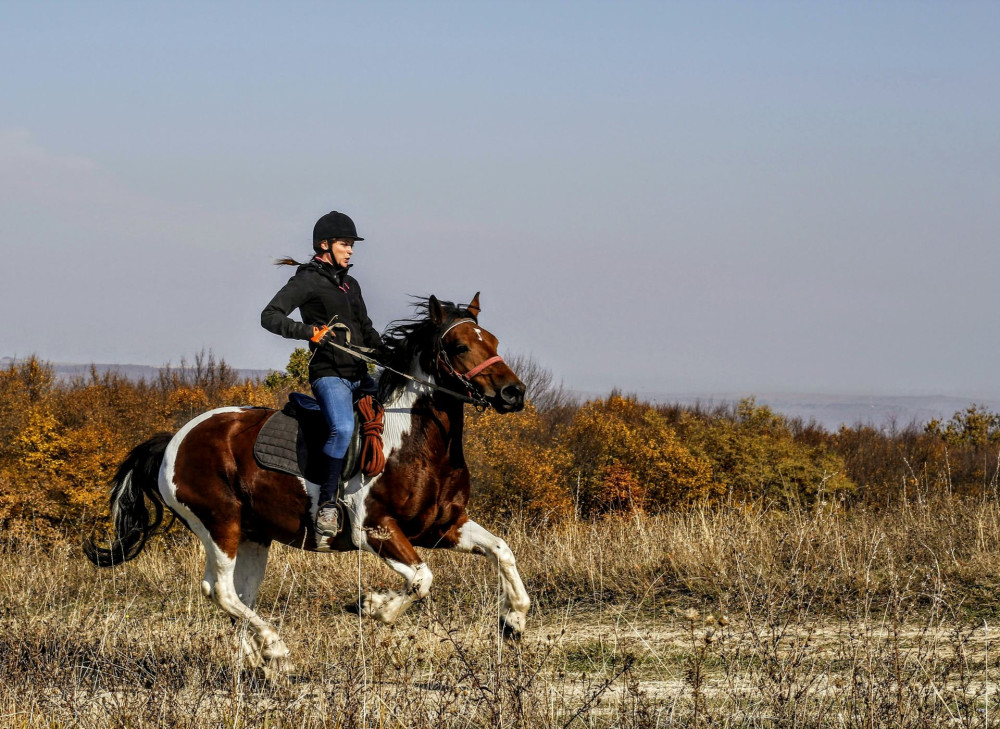
For many riders, fall is the most beautiful time of year. The air is crisp, the bugs are gone, and the forests glow with color. But it’s also a season of quick weather changes and slippery footing.
- Plan shorter rides if the weather looks uncertain.
- Wear reflective gear, as daylight fades earlier and visibility can drop.
- Watch for fallen leaves and branches, which can hide holes or make trails slick.
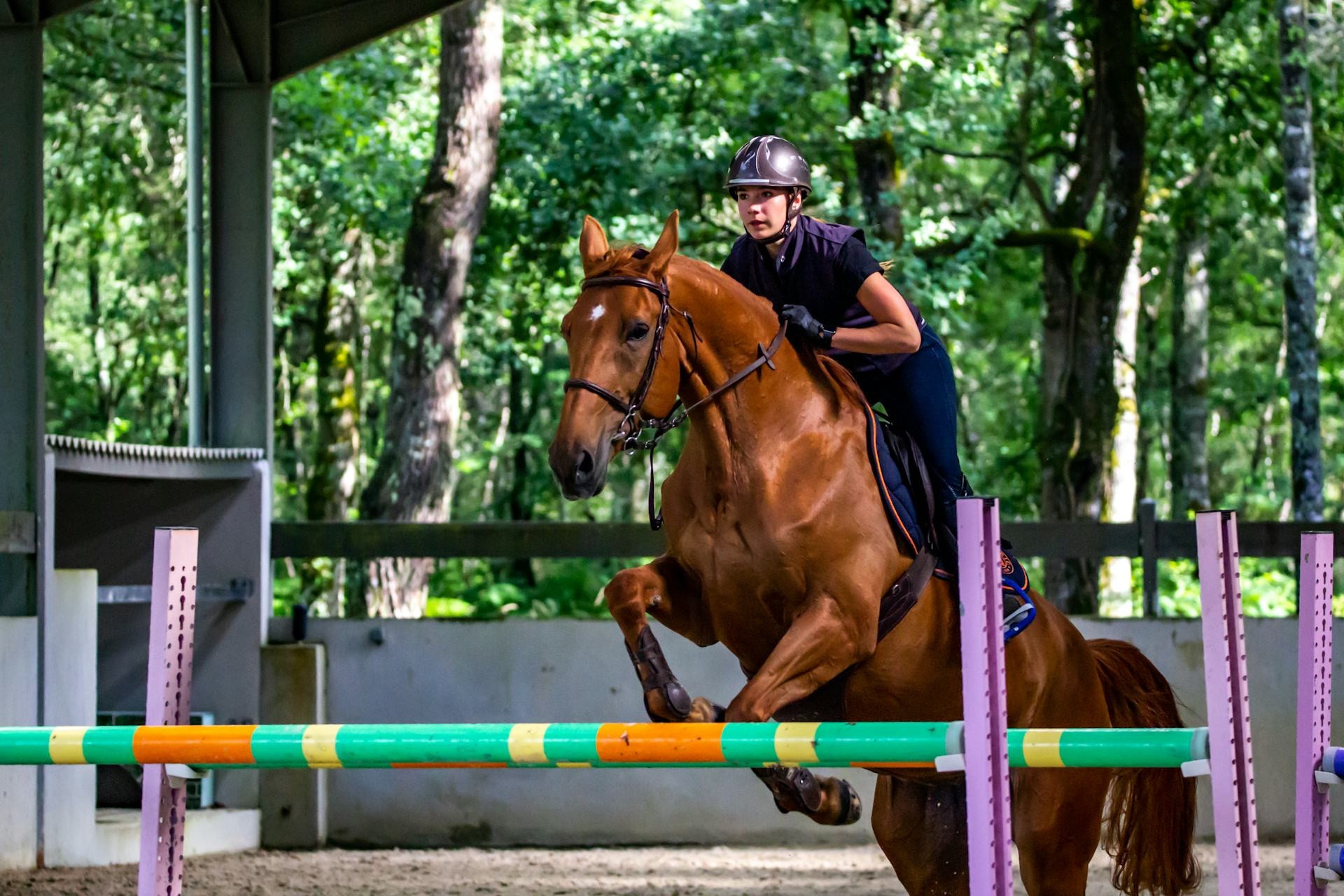
Fall is also a great time to focus on connection and control—working on balance, responsiveness, and calmness as you enjoy the scenery.
Læs også:

Winter: Shorter Rides and Safety First
Winter riding can be magical—especially on clear days with snow underfoot—but it requires extra care. Cold, ice, and limited daylight all affect how and where you ride.
- Check footing carefully—ice and packed snow can be treacherous. Consider using studded shoes or boots with good traction.
- Dress in layers, and keep your horse warm with a blanket if clipped.
- Keep rides short, and avoid going out in extreme cold or high winds.
Winter is also a good time to focus on groundwork or arena training, building strength and trust for the coming spring.
Planning and Variety All Year Long
Riding with the seasons isn’t just about adapting to the weather—it’s about keeping your rides varied and engaging. Mix up your routes between woods, open fields, and gravel roads so your horse experiences different footing and scenery. This helps build both physical and mental resilience.
Create a yearly plan that includes training goals, rest periods, and fun outings. Maybe you’ll aim for a summer trail-camping trip, a fall hunter pace, or a quiet winter ride in the snow. Setting small goals keeps you motivated and gives structure to your riding year.
Enjoy Nature—and the Rhythm of the Year
Riding outdoors connects you to the natural world in a unique way. You feel the changes in light, smell, and sound—and your horse does too. By adjusting your routes and routines to the rhythm of the seasons, you’ll not only have safer, more enjoyable rides but also deepen your bond with your horse and the landscape you share.
Læs også: