Order in the Stable – How to Create Safety and Well-Being for Both Horse and Rider

Order in the Stable – How to Create Safety and Well-Being for Both Horse and Rider
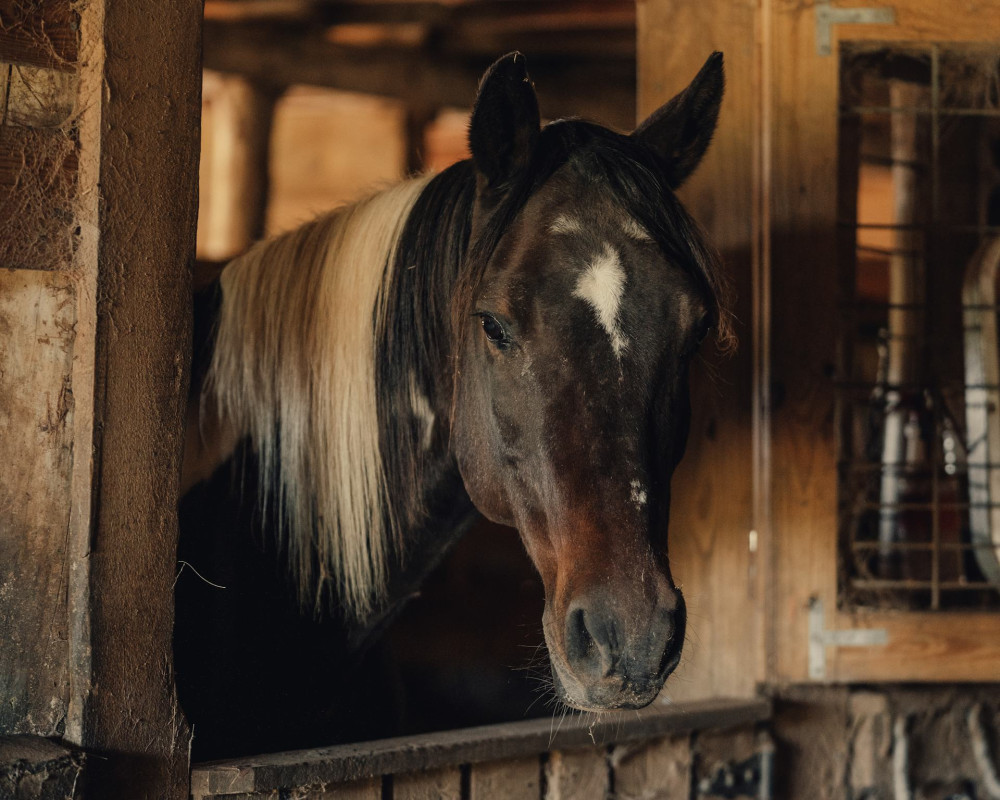
A well-organized barn isn’t just about appearances – it’s about safety, health, and harmony for both horse and rider. A calm, clean environment helps prevent accidents, supports good horse care, and makes daily routines smoother for everyone. Here’s a guide to creating order in your stable while promoting safety and well-being for all who spend time there.
A Strong Foundation: Structure and Routine
Horses thrive on consistency, and riders benefit from clear systems. A barn that runs on routine is a barn where both people and animals can relax.
- Set consistent feeding and turnout times. Predictability reduces stress and helps horses feel secure.
- Keep tack and supplies organized. Every halter, brush, and blanket should have a designated spot—labeling helps everyone stay on track.
- Schedule regular cleaning and maintenance. A weekly barn-cleaning day or rotation among boarders can keep the space tidy and build community.
When routines are second nature, the barn becomes a place of calm focus rather than chaos.
Safety First – For Horses and Humans
Barns are full of potential hazards, but most accidents can be prevented with a few simple habits.
- Keep aisles clear. A wheelbarrow or saddle pad left on the floor can easily cause a fall.
- Check lighting and ventilation. Good lighting prevents mishaps, and proper airflow reduces respiratory issues.
- Wear appropriate footwear and helmets. Even quick visits to the barn can turn risky if a horse spooks.
- Use safe cross-ties and quick-release knots. In an emergency, being able to free a horse quickly can prevent serious injury.
Safety is everyone’s responsibility—owners, riders, and visitors alike.
Cleanliness and Health Go Hand in Hand
A clean barn is essential for your horse’s health. Dust, ammonia, and moisture can lead to respiratory and hoof problems, while bacteria thrive in dirty conditions.
- Muck stalls daily. Remove manure and wet bedding to keep stalls dry and comfortable.
- Clean water buckets and feed tubs regularly. Leftover feed can mold quickly, especially in warm weather.
- Store feed properly. Keep grain in sealed containers to prevent pests and spoilage.
- Maintain ventilation year-round. Even in winter, fresh air is vital to prevent dampness and odor buildup.
Small daily habits make a big difference in your horse’s comfort and long-term health.
Læs også:

Creating a Calm and Positive Atmosphere
Horses are sensitive to their surroundings. A peaceful barn environment helps them stay relaxed and easier to handle.
- Speak softly and move predictably. Calm behavior from humans encourages calm behavior from horses.
- Encourage social interaction. If possible, allow horses to see or touch each other over stall walls or during turnout.
- Foster a friendly barn culture. A comfortable lounge area, shared coffee pot, or group events can strengthen the sense of community.
When both horses and riders feel at ease, the barn becomes a place people look forward to visiting—not just a place to work.
Maintenance and Prevention
A barn requires ongoing attention. Small repairs left undone can quickly turn into bigger—and more expensive—problems.
- Inspect doors, gates, and fencing regularly. Loose hinges or sharp edges can cause injuries.
- Check electrical systems. Make sure wiring is protected from rodents and moisture.
- Plan for seasonal upkeep. Repaint, replace bedding materials, and repair equipment during slower periods.
Preventive care saves time, money, and stress—and keeps everyone safer in the long run.
A Stable in Balance
Order in the stable isn’t just about cleanliness or rules—it’s about creating balance between structure and well-being. When horses feel secure and riders have a clear system to follow, daily life becomes smoother, safer, and more enjoyable.
A well-kept barn reflects respect—for the animals, for the people who care for them, and for the shared goal of harmony between horse and rider.
Læs også: