When Riding Lessons Open New Doors: From Groundwork to New Training Methods

When Riding Lessons Open New Doors: From Groundwork to New Training Methods
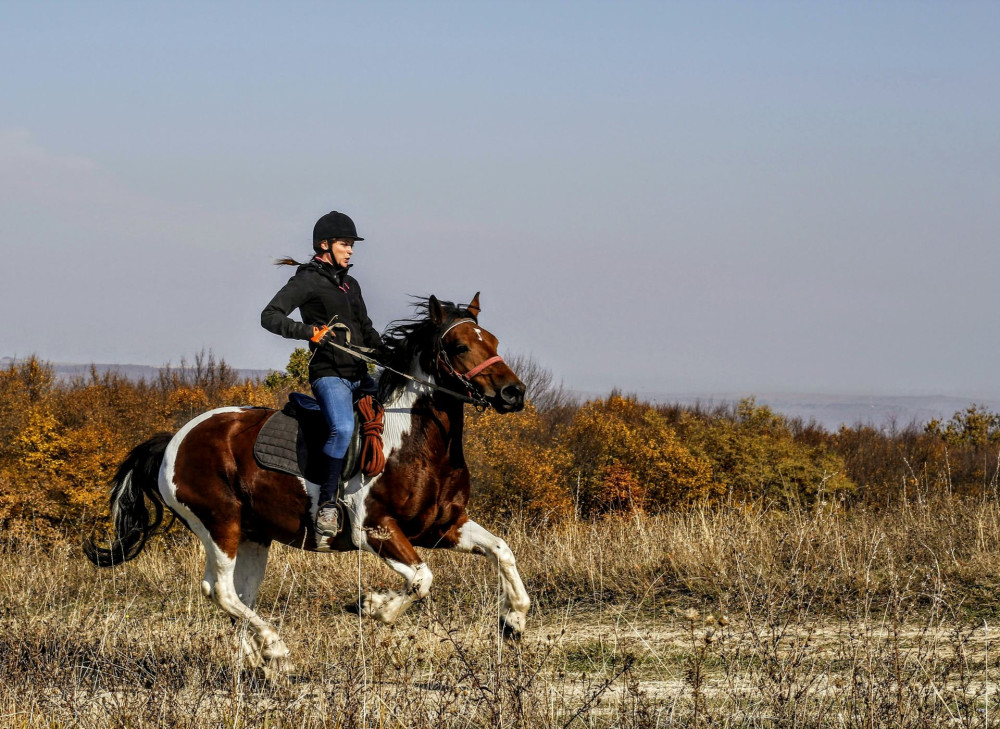
Riding lessons today are about far more than learning how to sit correctly in the saddle. Across the United States, riders are discovering that lessons can open new doors—deepening their understanding of the horse, improving communication from the ground, and introducing innovative training methods. Where riding once focused mainly on technique and performance, there is now a growing emphasis on connection, body awareness, and mental balance—for both horse and rider.
From Saddle to Ground – A Shift in Perspective
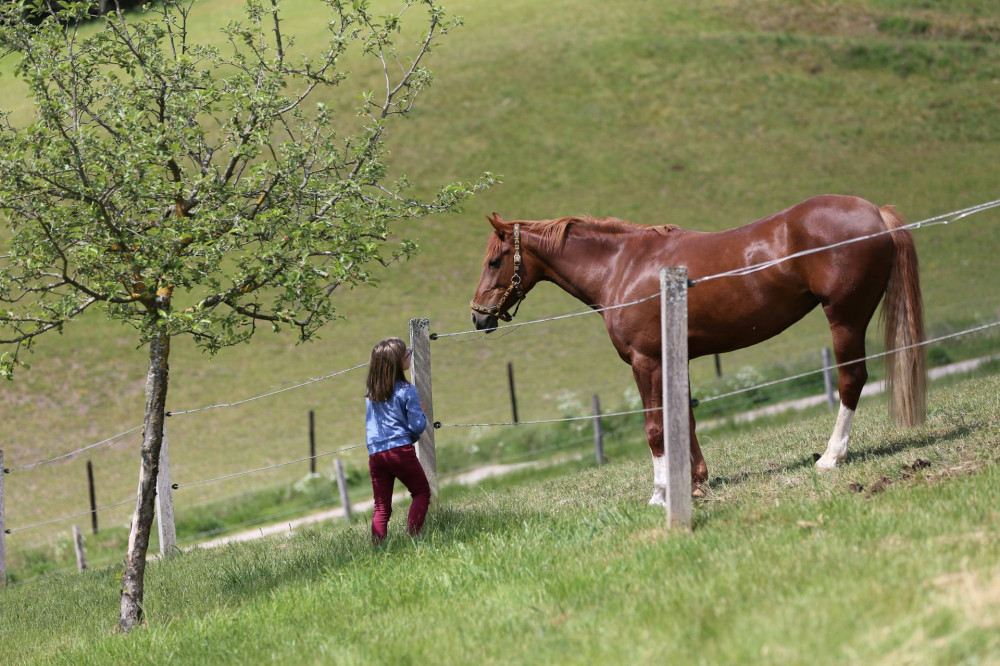
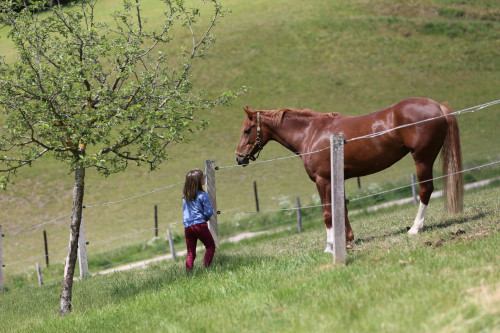
In recent years, many riders and trainers have turned their attention to groundwork as a key part of training. Working with the horse from the ground helps build trust and understanding without the influence of the rider’s weight or the signals from the saddle. Groundwork can include longeing, liberty work, or classical in-hand exercises that teach the horse to move correctly and in balance.
For many, this shift is an eye-opener. It reveals subtle communication cues, body language, and physical imbalances that might otherwise go unnoticed. When the partnership improves on the ground, the connection in the saddle often becomes more harmonious and responsive.
New Training Methods on the Rise
The evolution of riding instruction reflects a broader movement in the equestrian world: a desire to blend classical principles with modern knowledge of learning theory, biomechanics, and behavior. Many instructors now draw from multiple disciplines to create a more holistic approach to training.
- Classical Dressage and In-Hand Work emphasize balance, lightness, and precision—both on the ground and under saddle.
- Centered Riding focuses on the rider’s body awareness, breathing, and alignment as keys to better communication.
- Natural Horsemanship builds trust and respect through understanding the horse’s natural instincts and behavior.
- Rider Fitness and Mindfulness—including yoga, Pilates, or mental coaching—are increasingly used to support physical and emotional balance.
What unites these approaches is the idea that horse and rider form a team, and both must feel confident and comfortable to progress.
Riding Lessons as Personal Growth
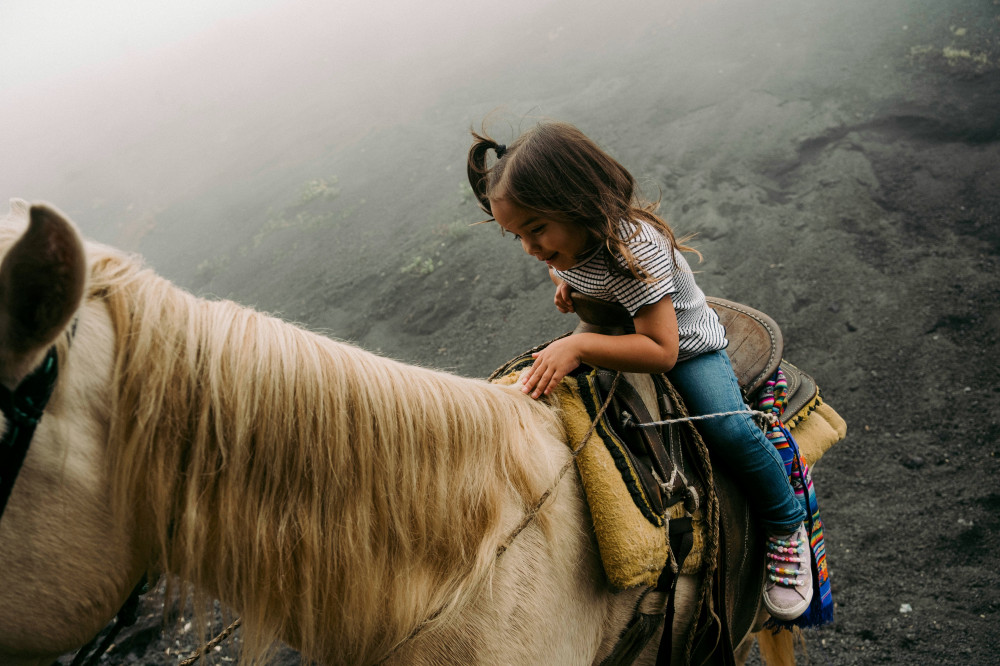
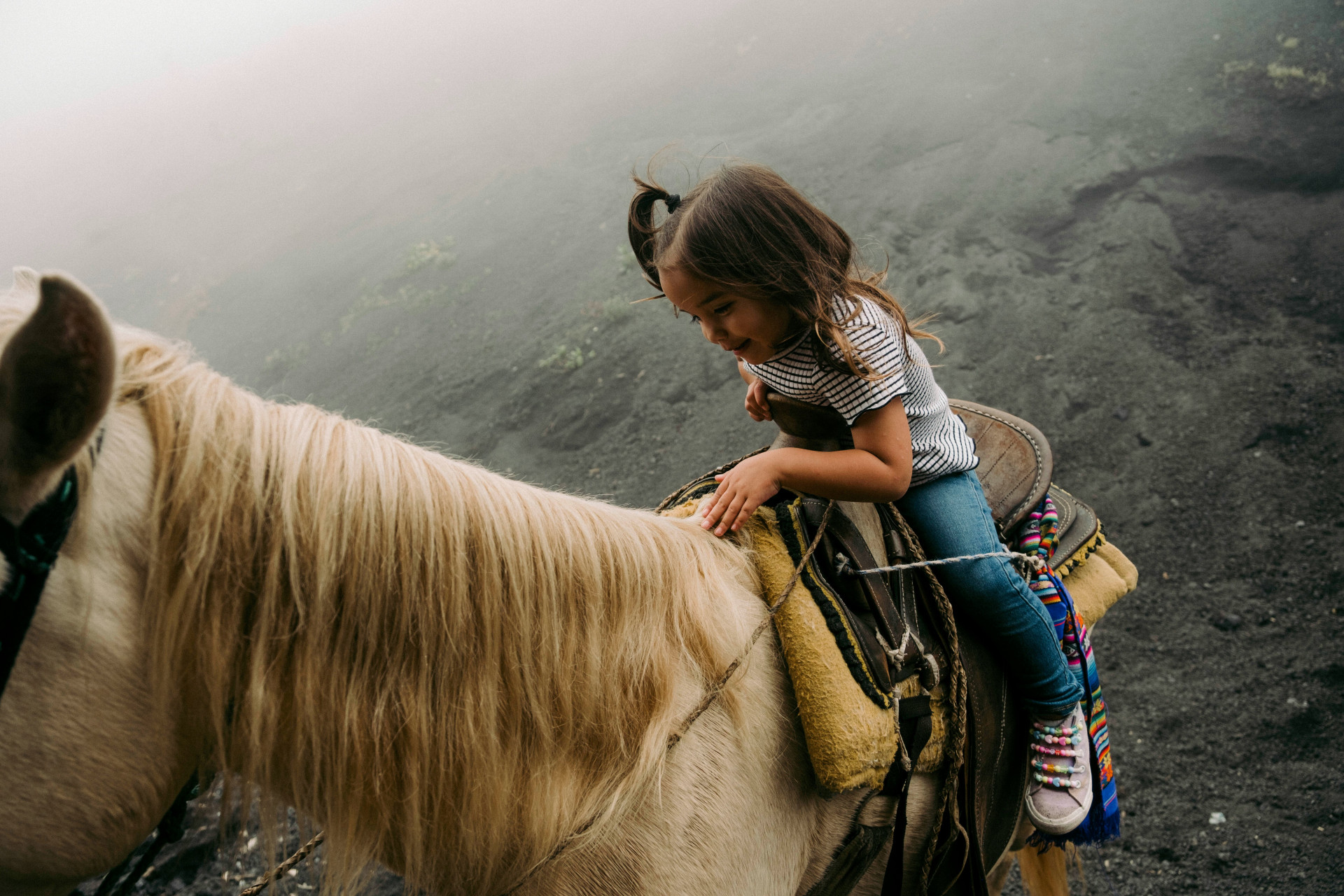
Many riders find that lessons are not just about improving technique—they are also about personal development. Working with horses requires patience, presence, and emotional control. Learning to communicate calmly and clearly with a 1,000-pound animal often translates into greater confidence and self-awareness in everyday life.
Some instructors now include reflection and goal-setting as part of their teaching. Riders are encouraged to understand their own reactions, manage frustration, and celebrate small successes. In this way, riding lessons become a journey of self-discovery that extends far beyond the arena.
Læs også:

Technology and Learning in Motion
Technology is also transforming how Americans learn to ride. Online courses, video coaching, and training apps make it possible to receive feedback and inspiration even when you’re not at the barn. Riders can connect with instructors across the country and track their progress over time.
Meanwhile, motion sensors and video analysis are being used to study both horse and rider movement. These tools provide objective insights into balance, symmetry, and performance—helping to prevent injuries and improve training efficiency.
A New Understanding of Partnership
When riding lessons open new doors, they ultimately lead to a deeper appreciation of the horse as a partner rather than a tool. This perspective requires curiosity, respect, and a willingness to keep learning—no matter how experienced the rider may be.
Whether you’re exploring groundwork, classical dressage, or modern training methods, the goal remains the same: to create a partnership built on trust, harmony, and mutual growth—where both horse and rider thrive together.
Læs også: